Request a price list

Thank you! We’ll get back to you shortly!
Oops! Something went wrong while submitting the form.
SHOW 04
Death has its own
metaphors
Beneath, Between & Beyond
Death has its own
metaphors
Beneath, Between
& Beyond
A project by
Aazhi Archives
Artistic director
Riyas Komu
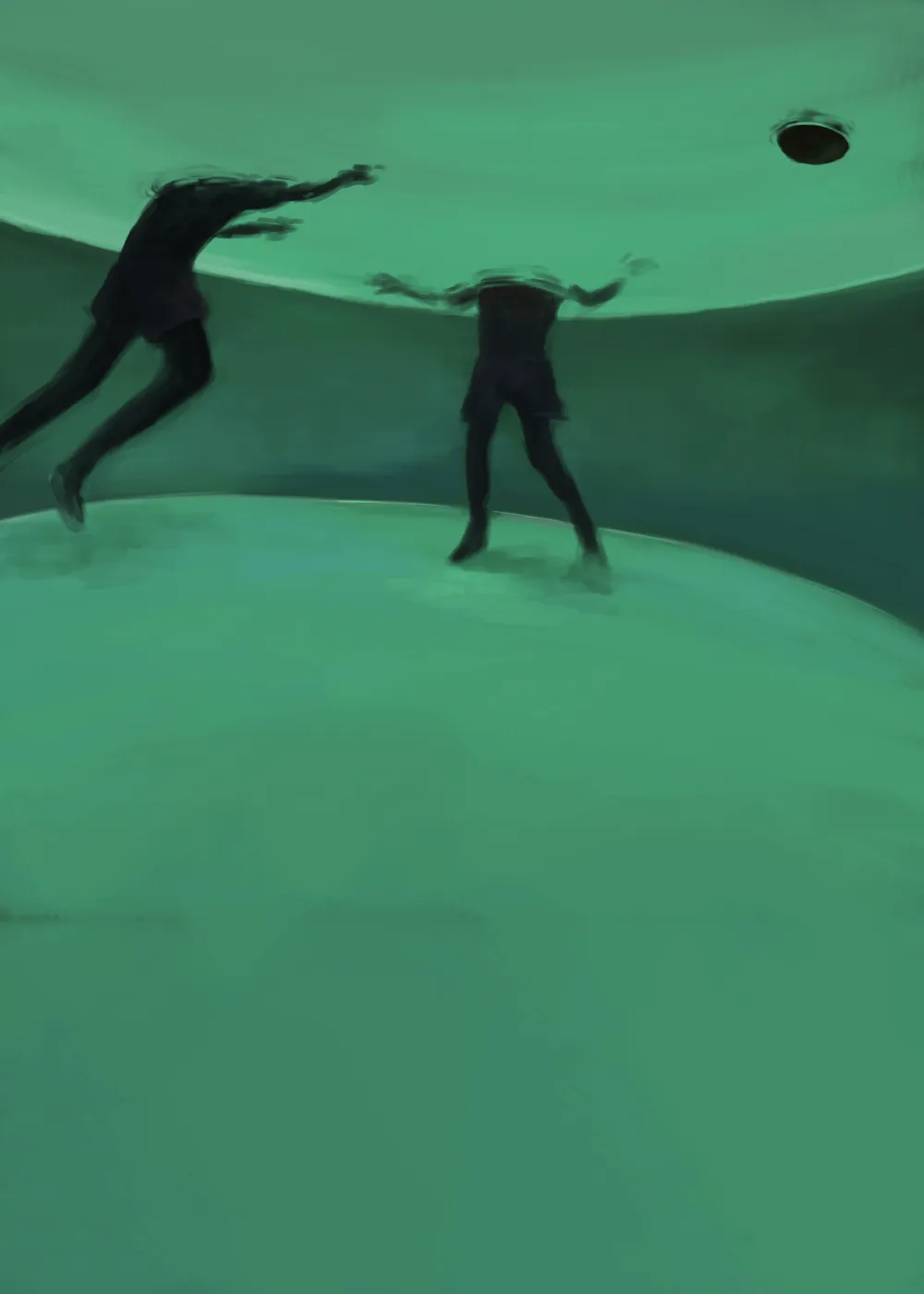
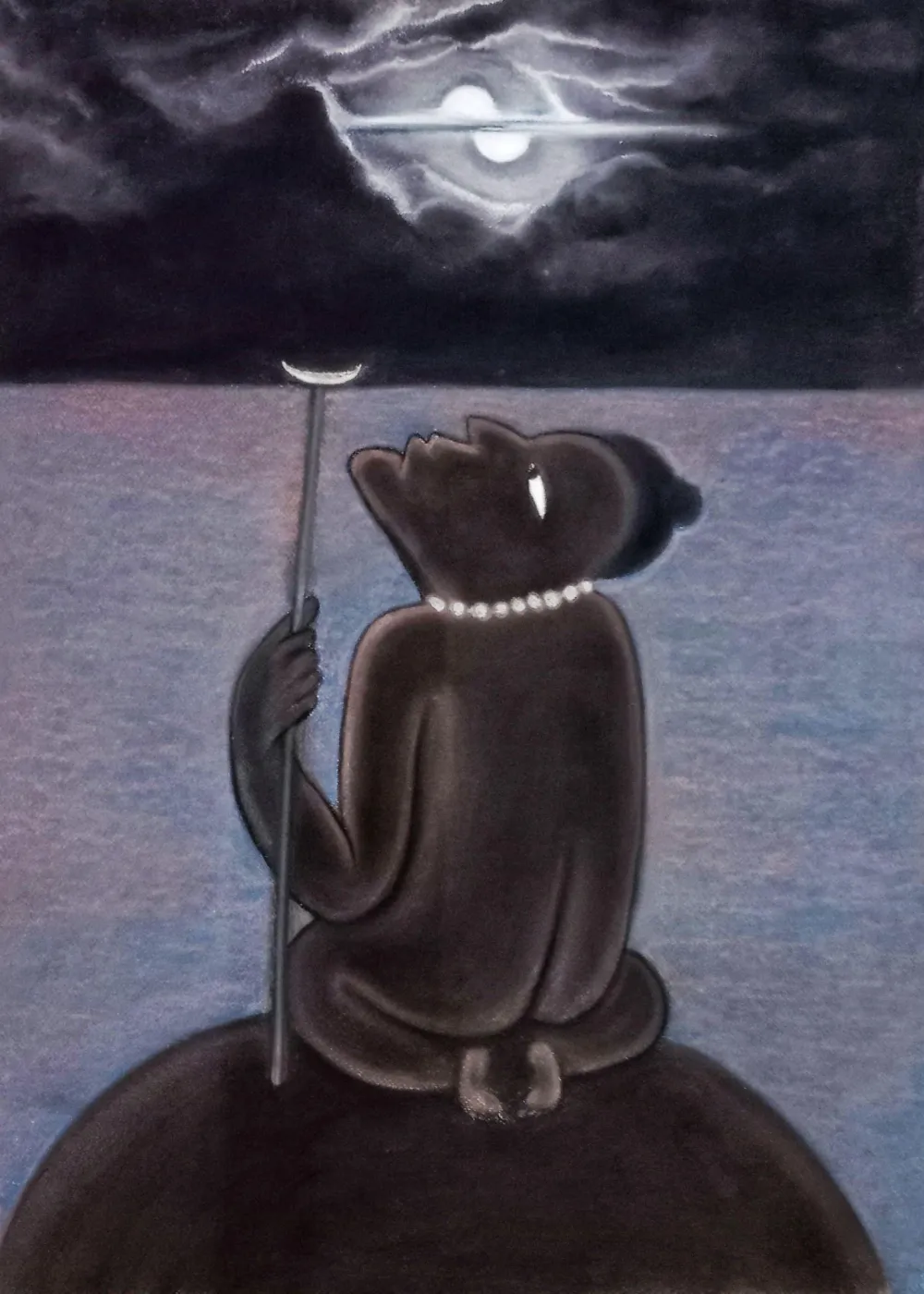
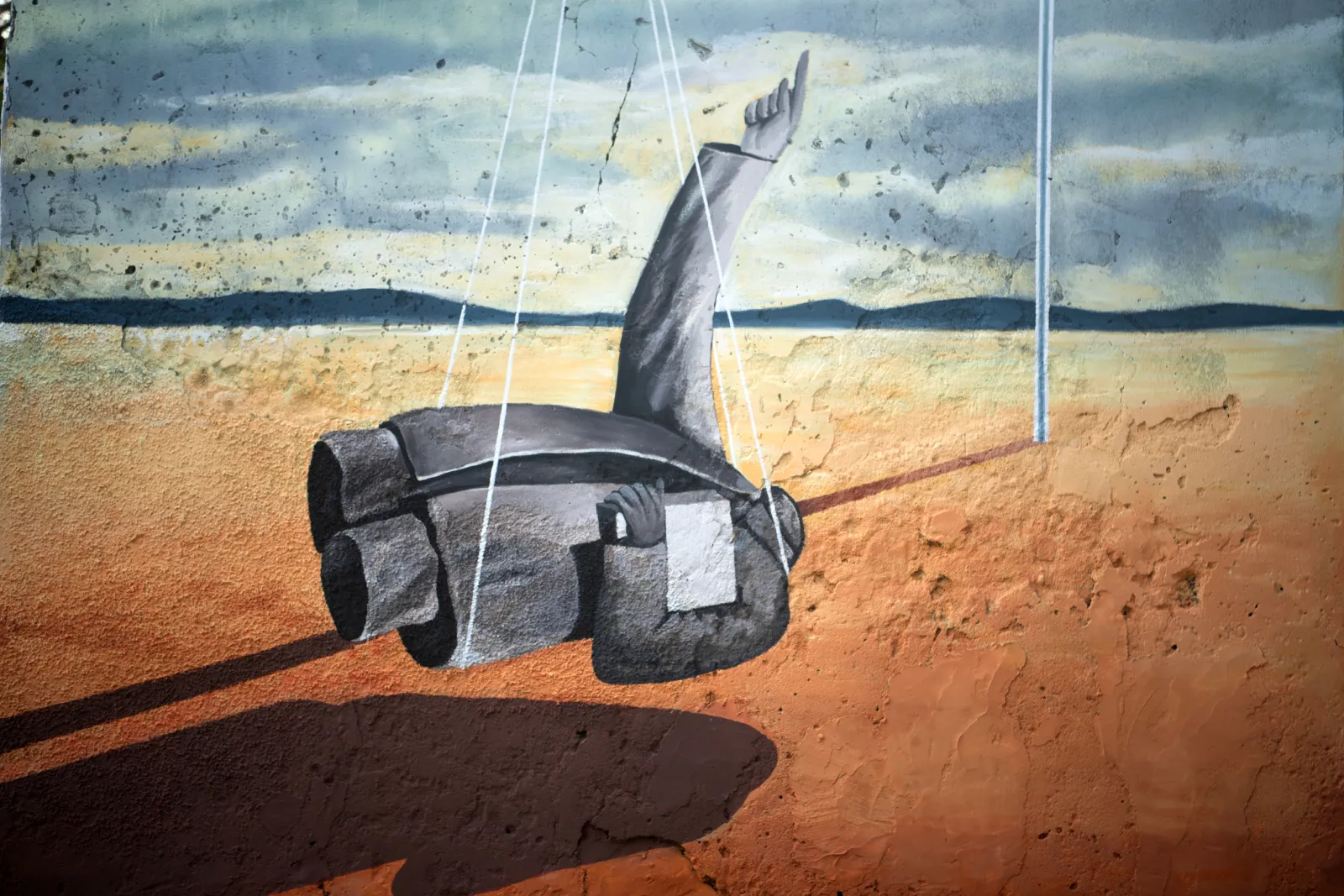
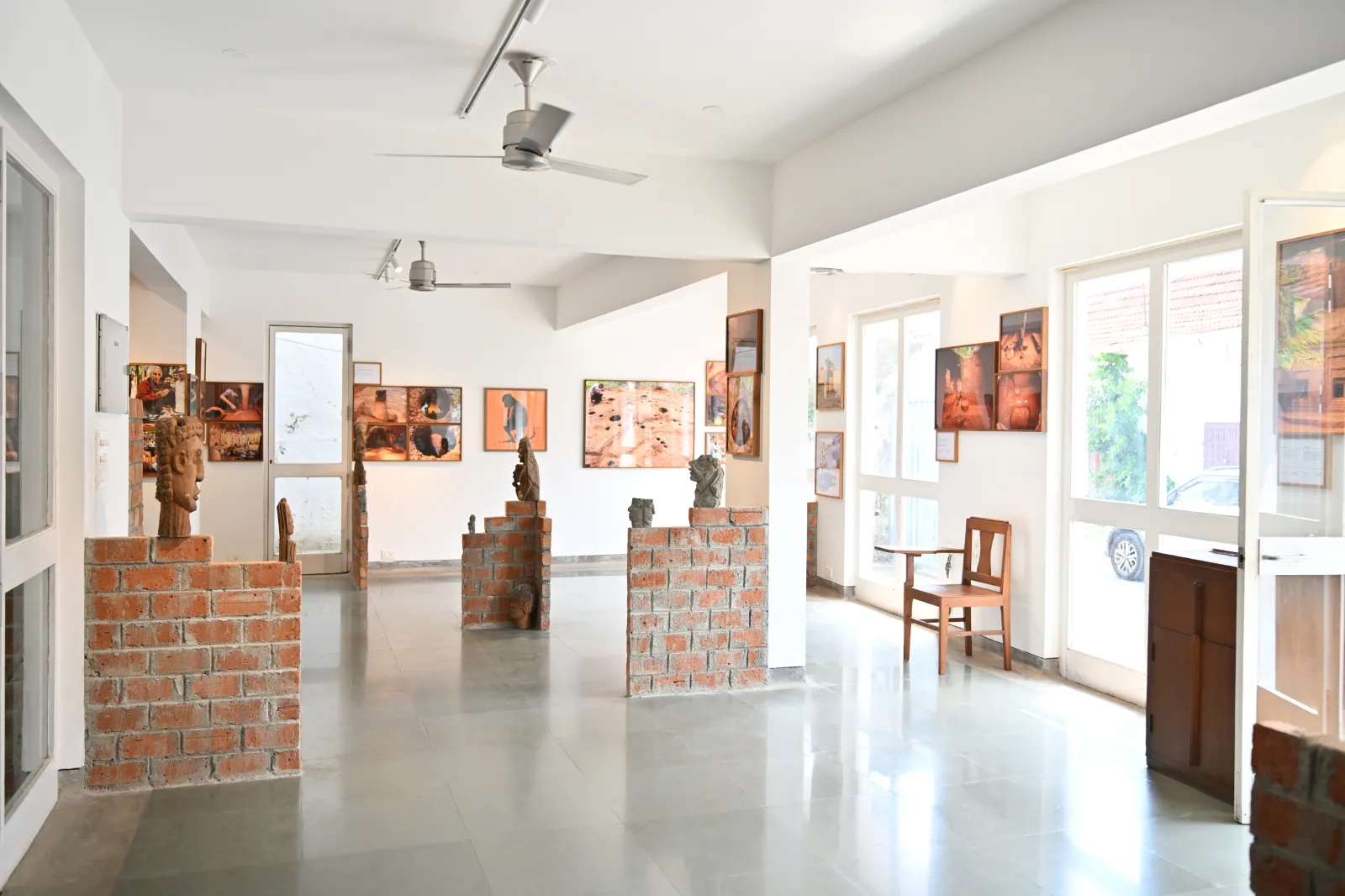
Three artists, Silpi Rajan, Midhun Mohan, and Mohammed A, come together in this show, a congregation of images and conversations across media. Coming from different disciplines and using diverse methodologies and materialities, they create a unique confluence of different modes of aesthetic expression: photography, sculpture, and painting, as well as different instincts: archival, physical, and imaginary.
These images emanate from different force fields and states of being-in-the-world; history, art, and mythology intersect, while the states of jagrat (wakefulness), swapna (dreams), and sushupti (deep sleep) enfold and unfold. Terrestrial roots come into view, dreams erupt into visceral images, and imaginations become physical and figural. Excavated, chiselled, and imagined, these images journey from prehistory to history and beyond.

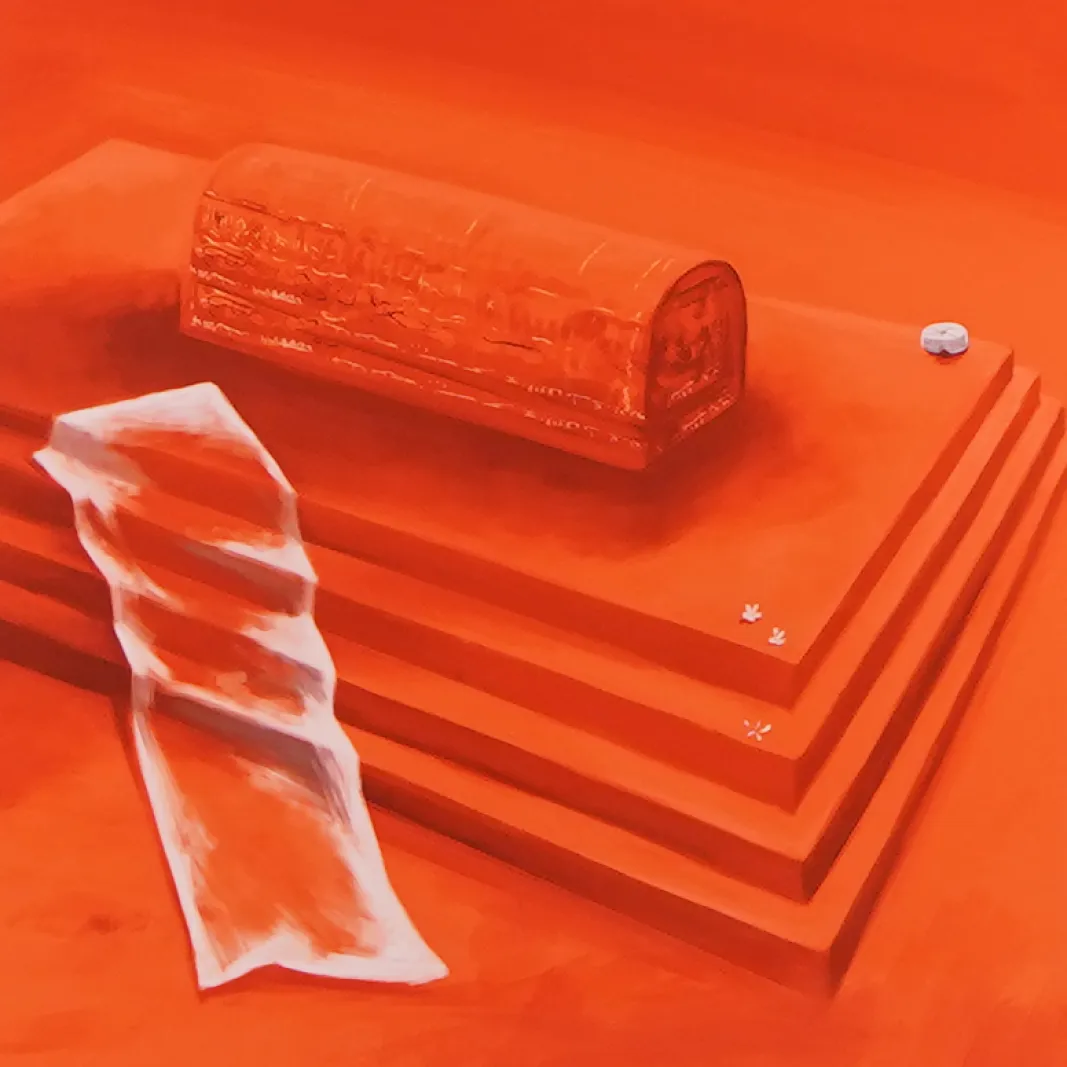
Death has its own metaphors. Death is not an end or closure here, but something that lingers over everything, as a beyond, a passage, a space in between, or another mode of being. Here, the past offers itself to amphibious futures, where hitherto binaries merge and intersect, dreams convey facts, figures embody spirit, and journeys deepen stasis.

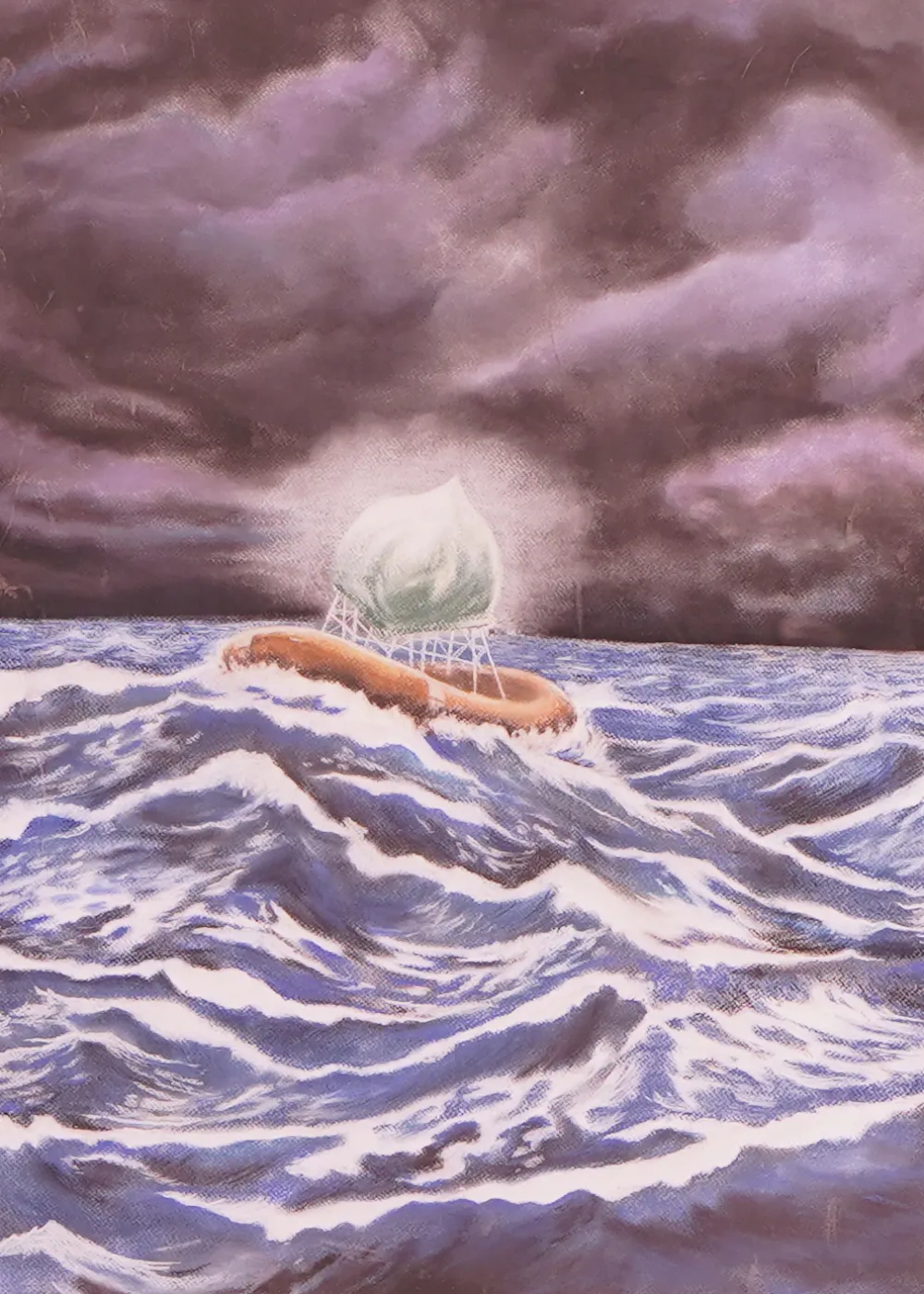
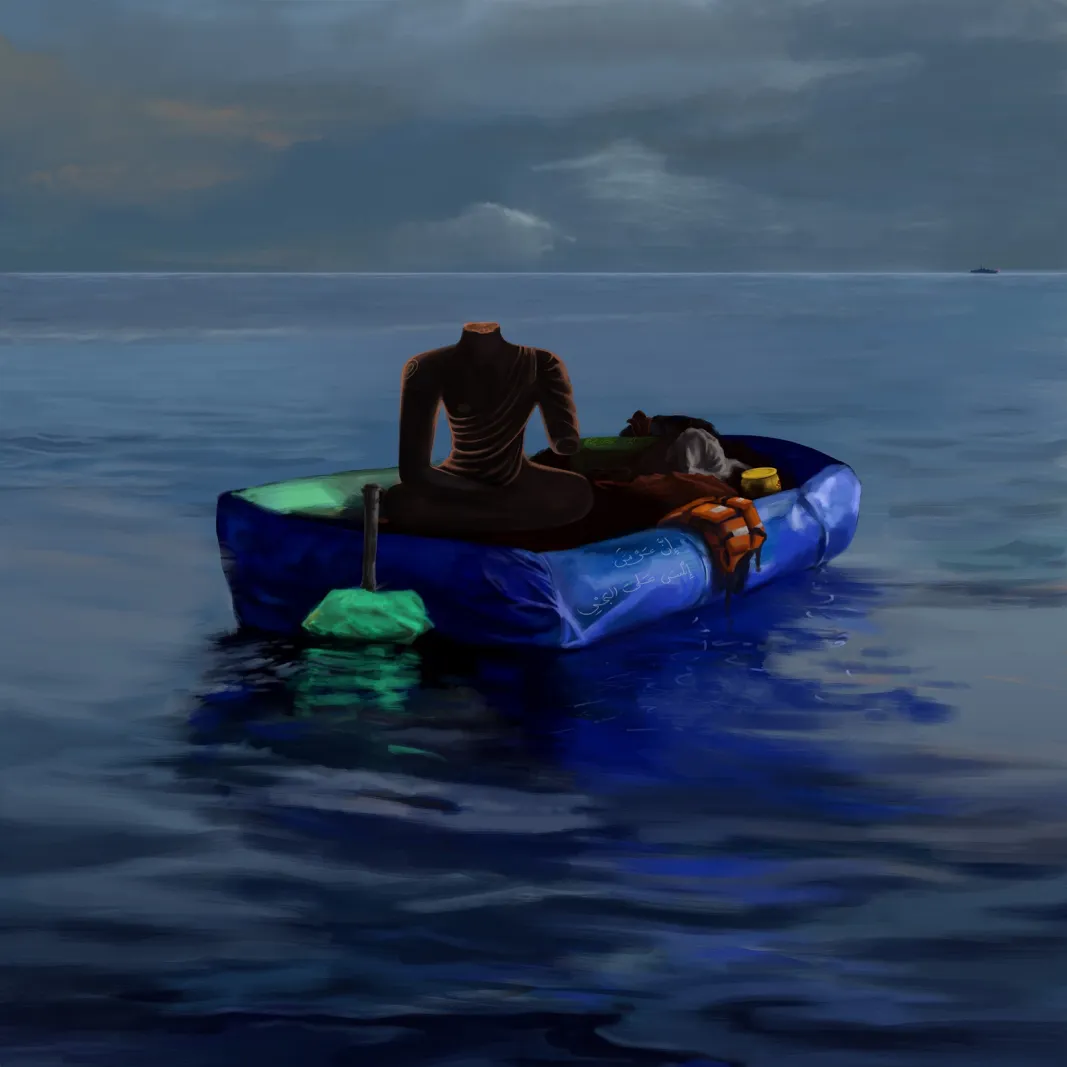
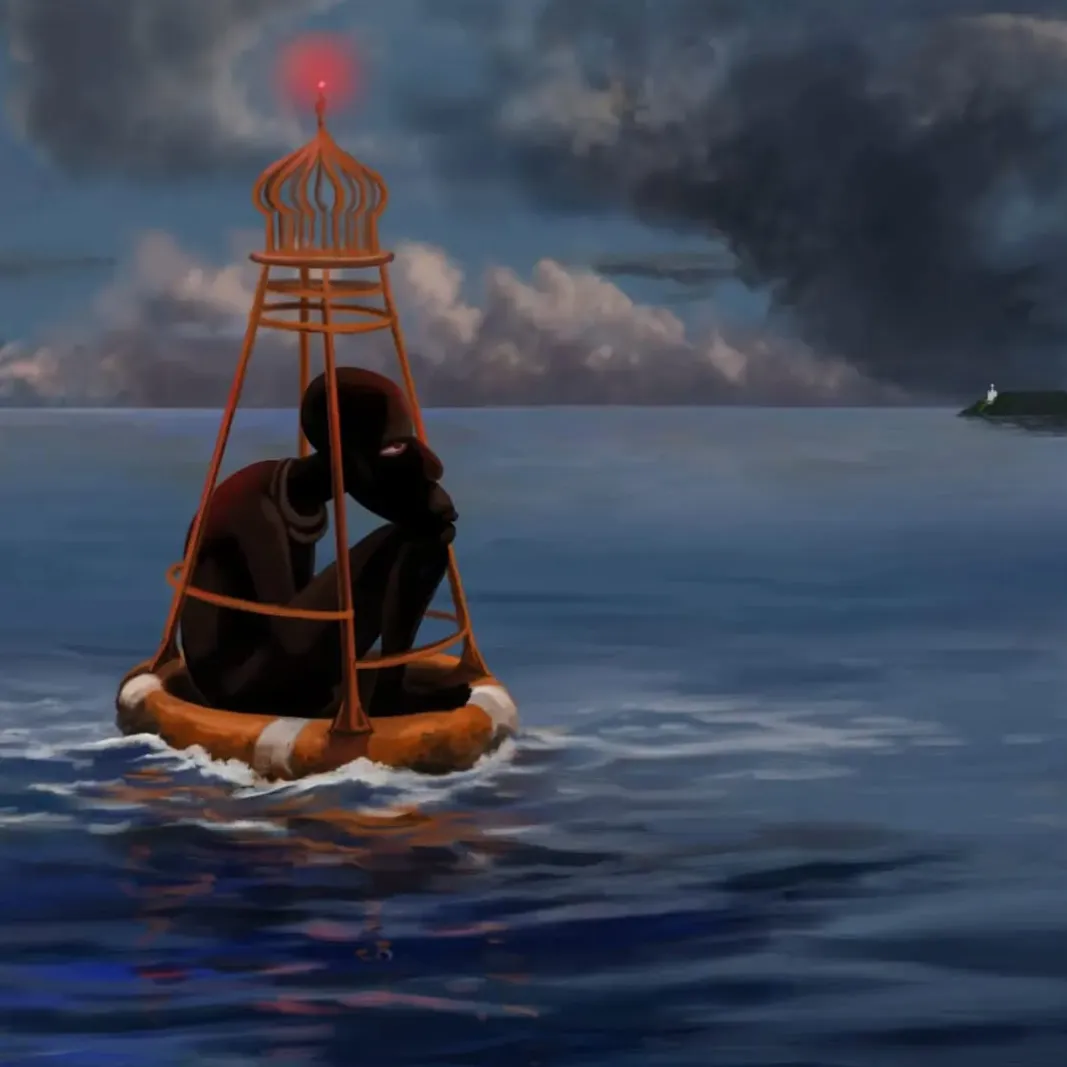
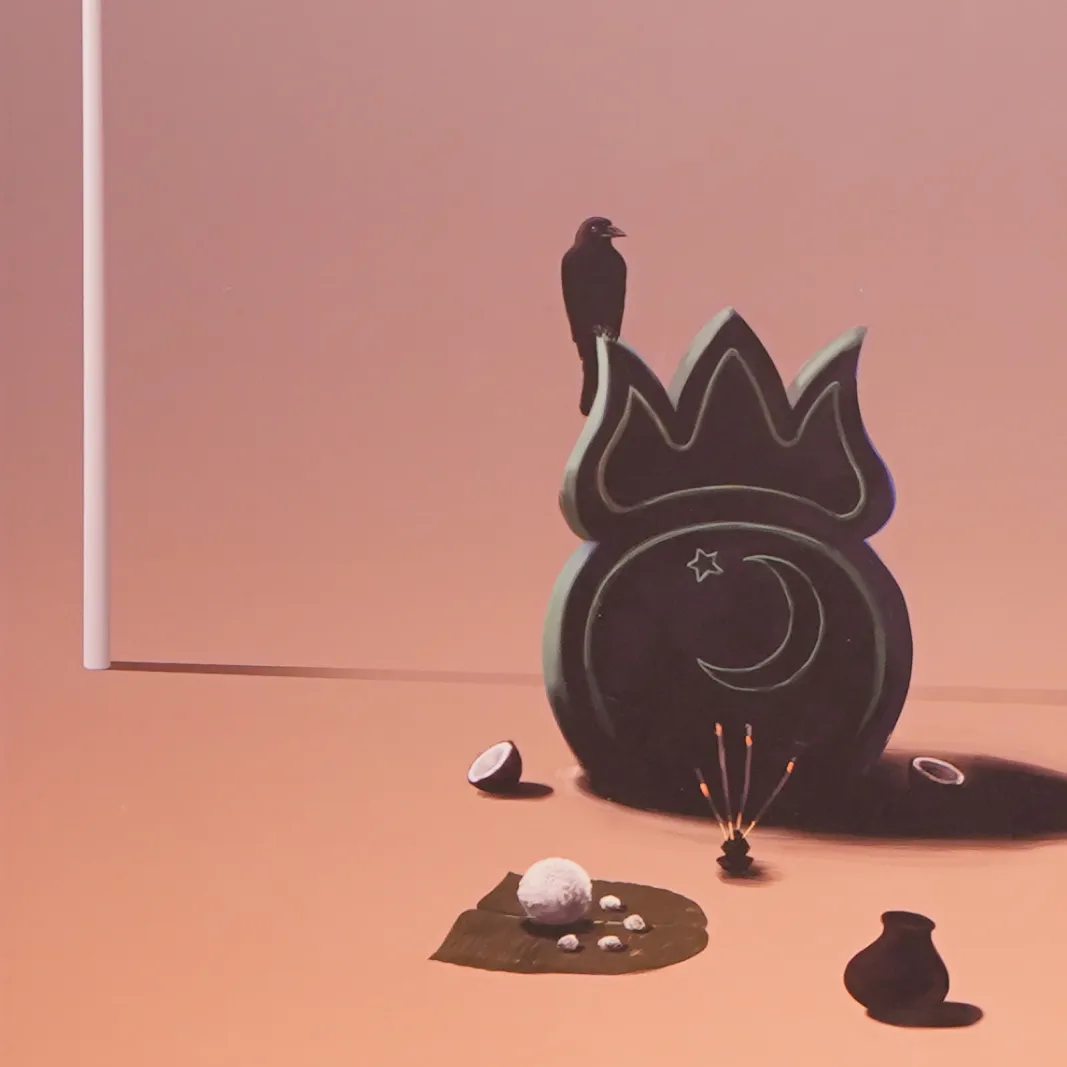
Three artists, three mediums, three worlds, three modes of imagination. Their images meet and converse here: one of Silpi's figures could have arisen from the sites in Mohammed's photos and cut loose in the dark ocean of Mithun's painting. While Mohammed's photographs from excavation sites dig into the earth to reveal layers of our past, Silpi's works rise from the earth as children of the soil, in both the literal and metaphorical sense. Mithun Mohan's works traverse the in-between spaces and endless journeys, forced, voluntary, and spiritual. Terrest'real' in many ways; these images are all deeply earthy yet enigmatic, as they confront us like apparitions from a time past or yet to be. Touched by the beyond, a certain haze of unreality, impermanence, and magic envelops them.

This show extends the idea of amphibian aesthetics, not only by provoking new conversations between mediums, materialities, visions, memories, and spiritualities, but also by disturbing the white cube monotony and probing new ways in contemporary aesthetics and curatorial practices.
Line from a poem by Maythil Radhakrishnan
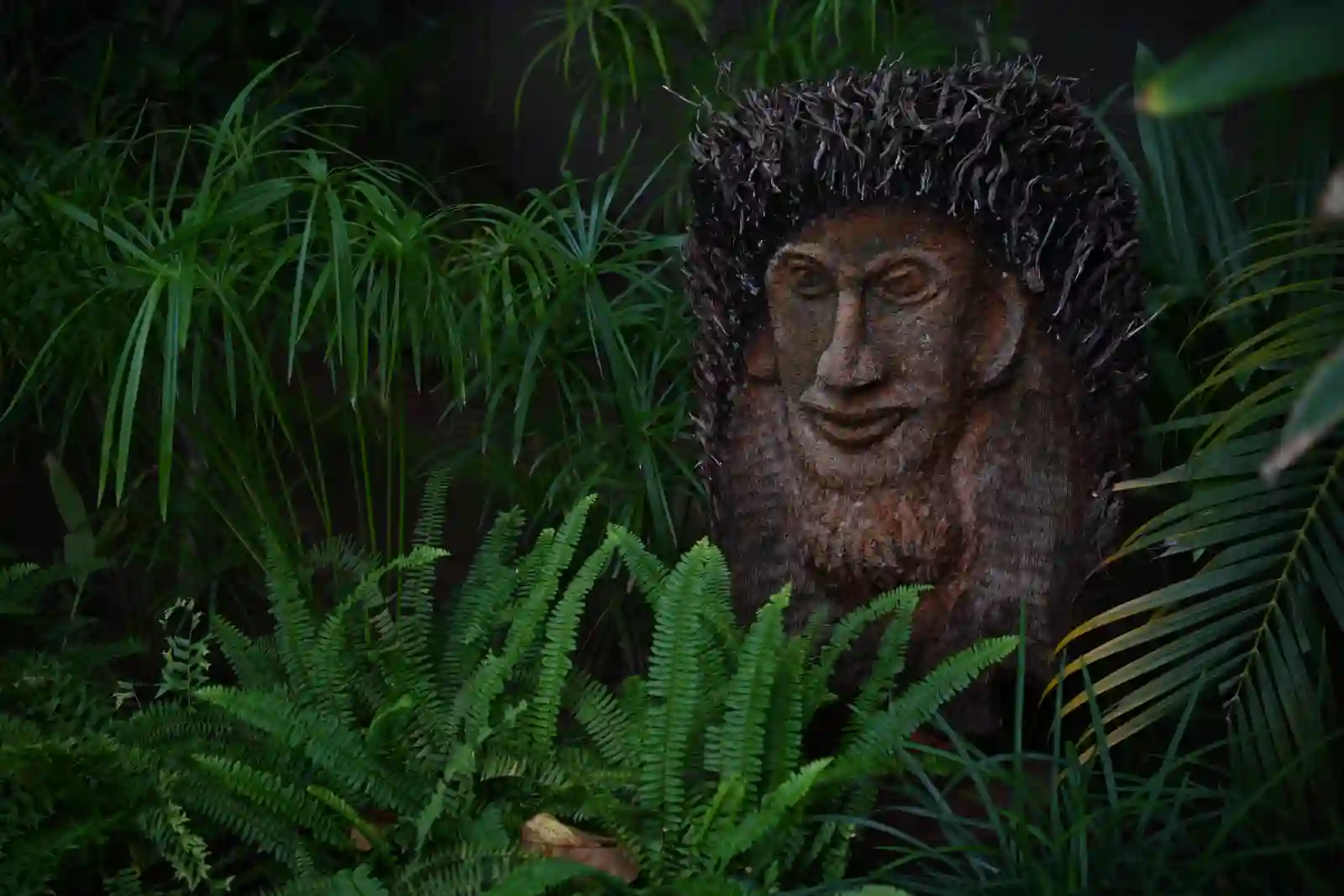
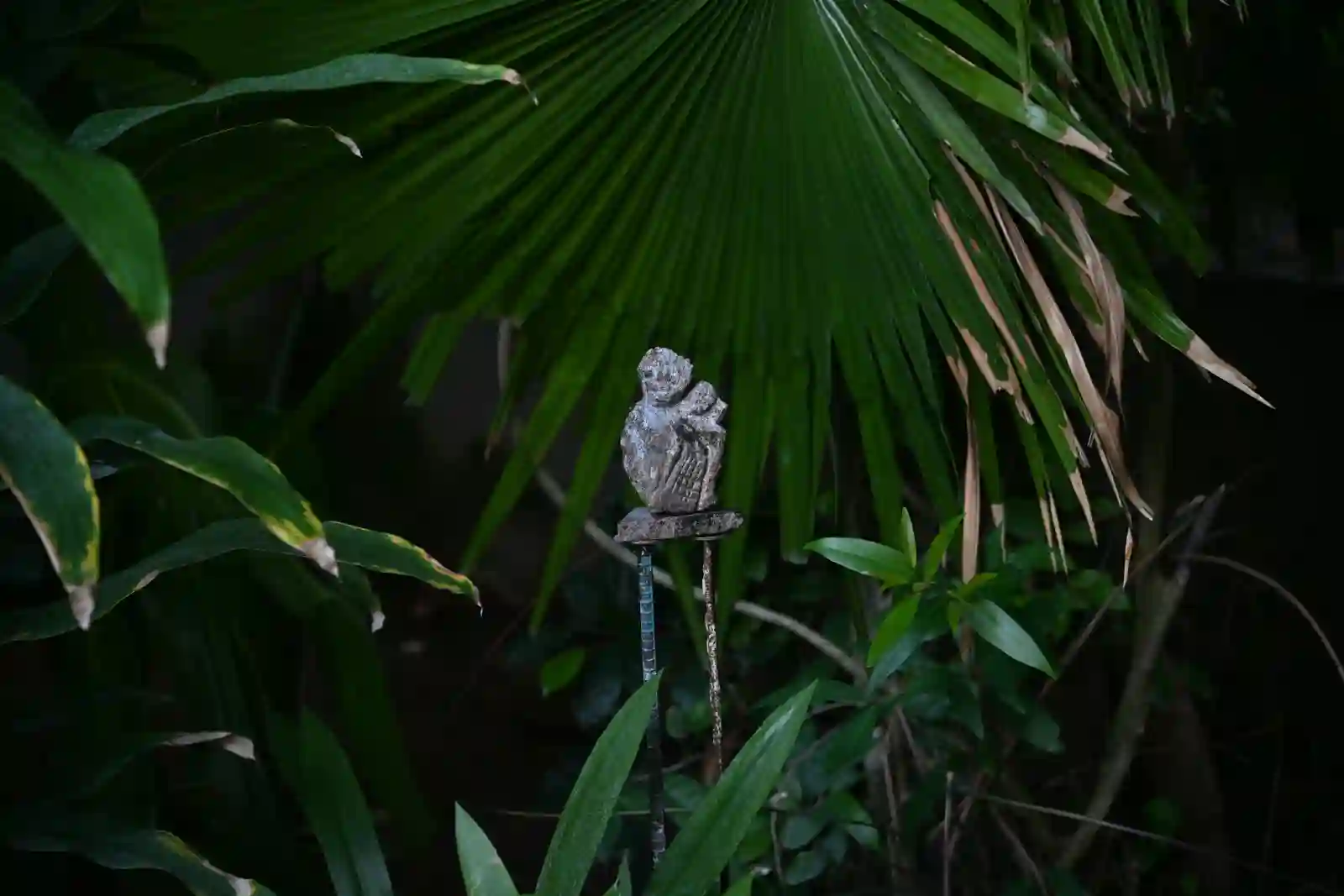
Silpi Rajan
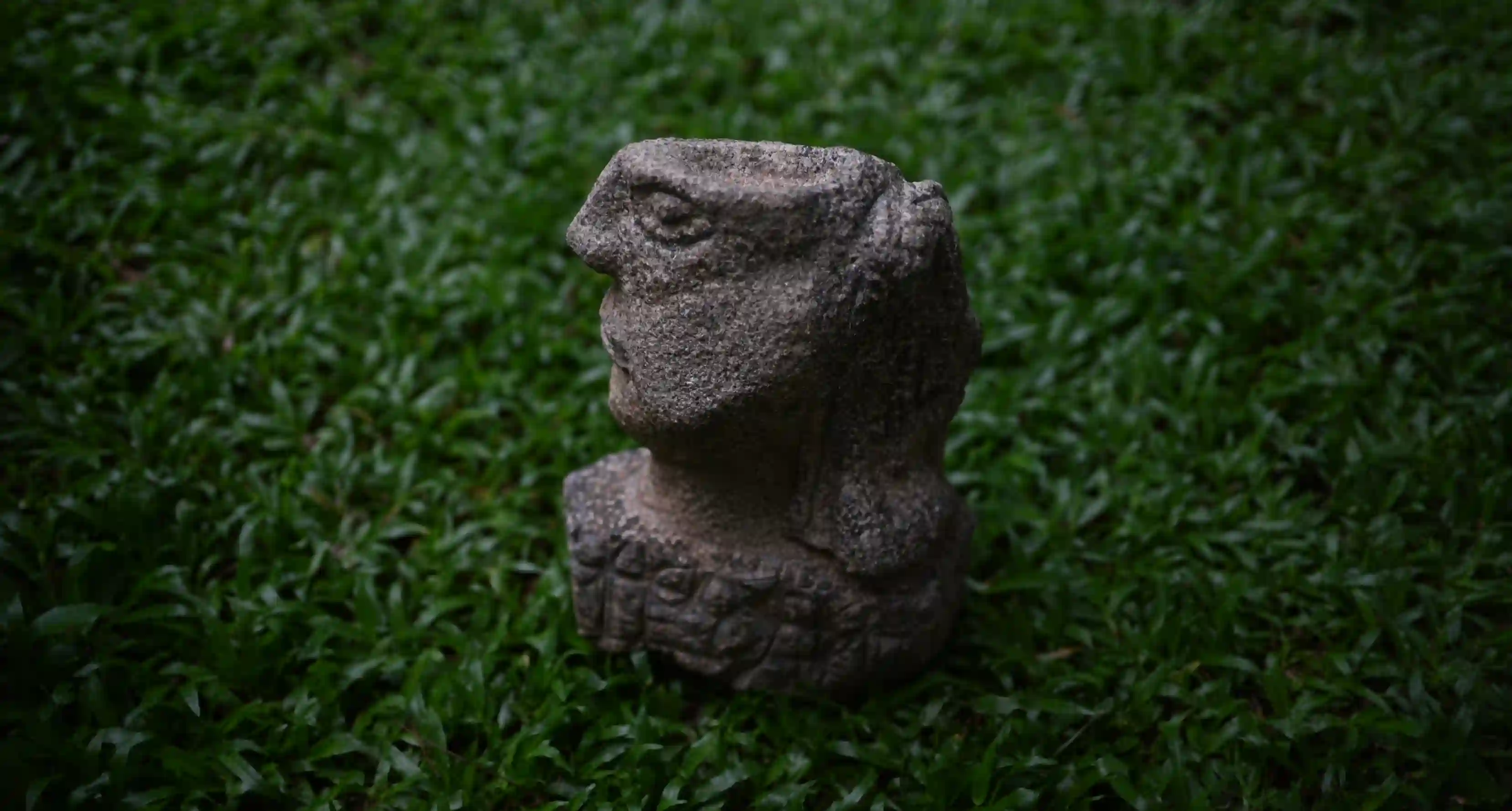
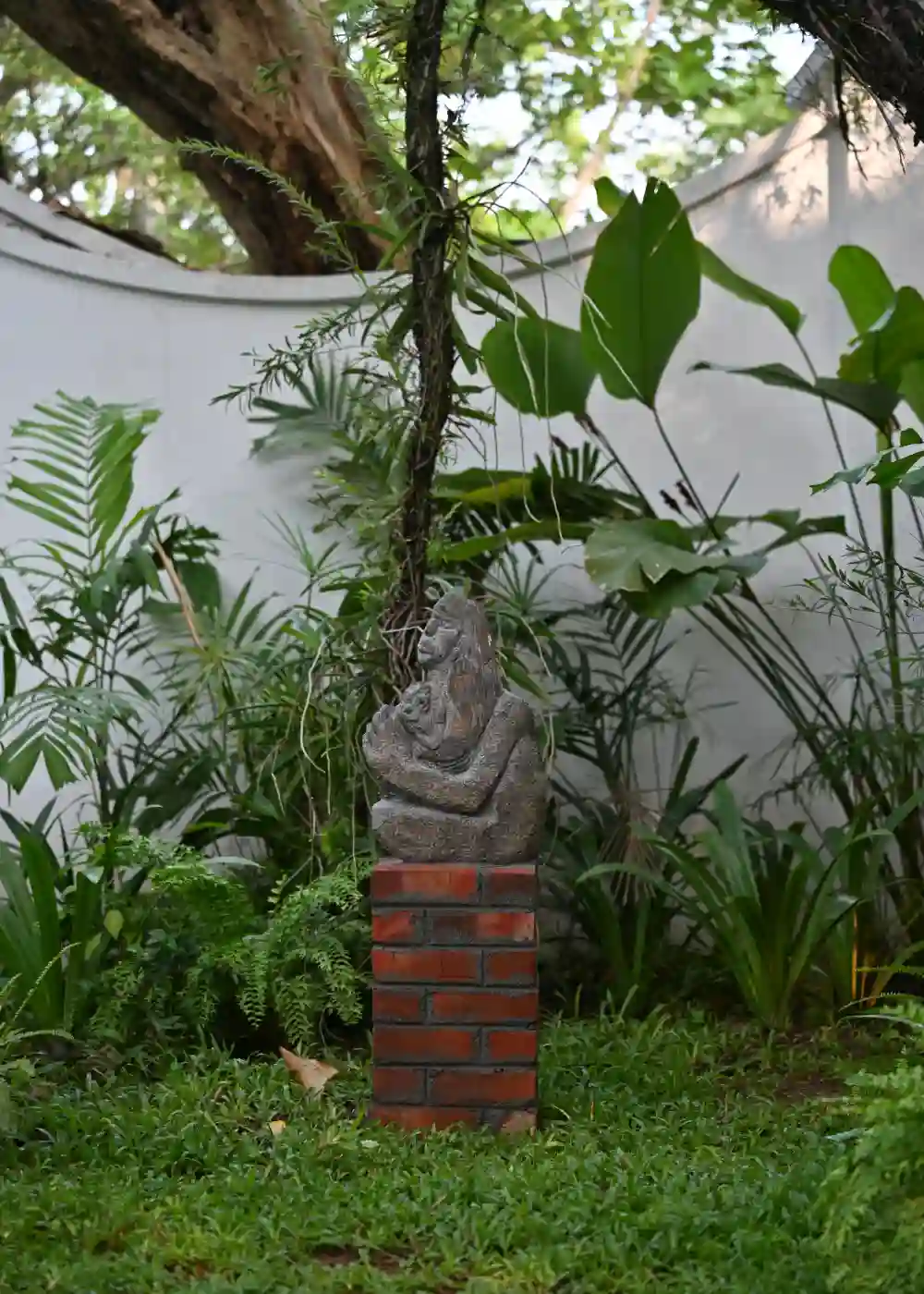
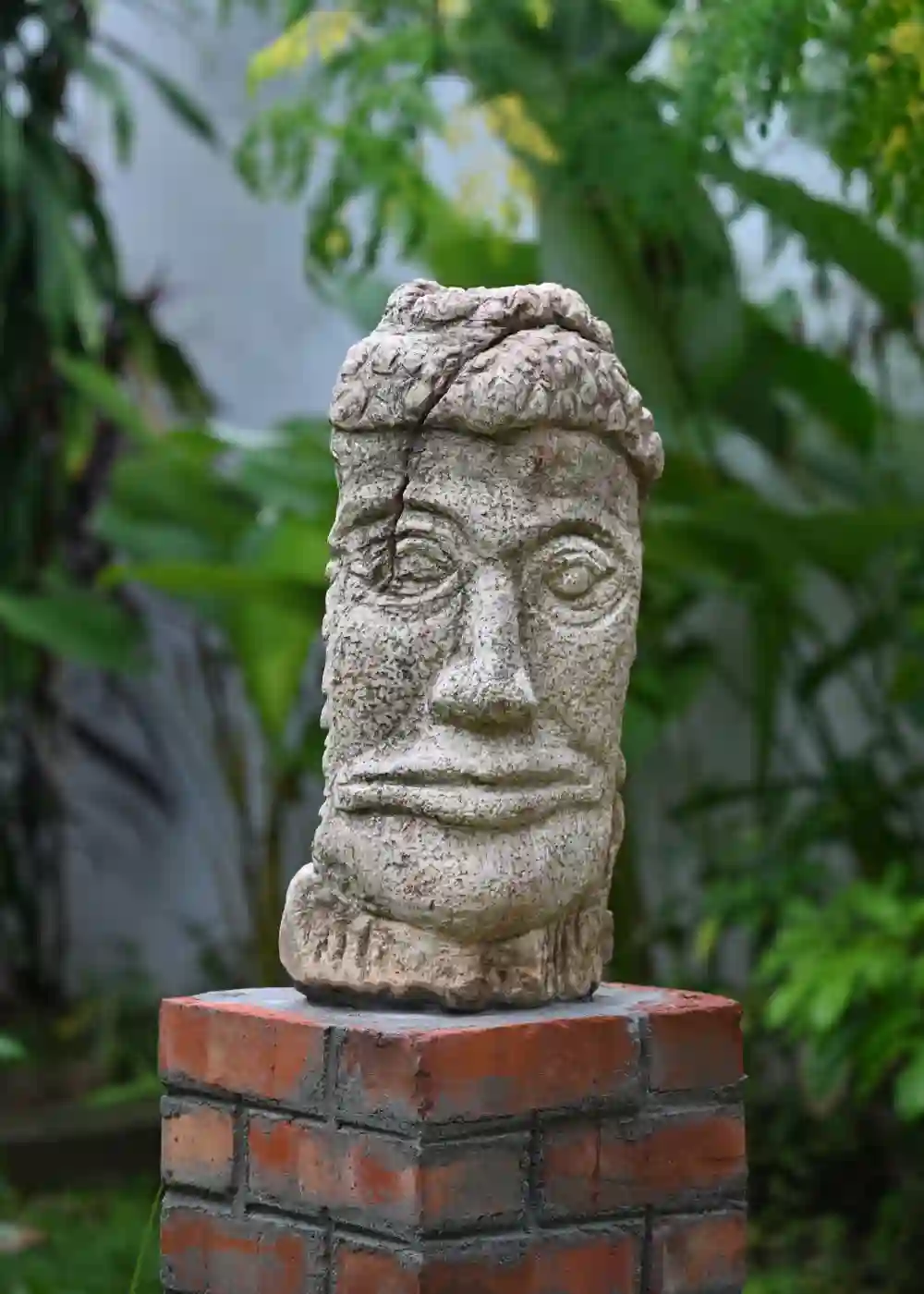
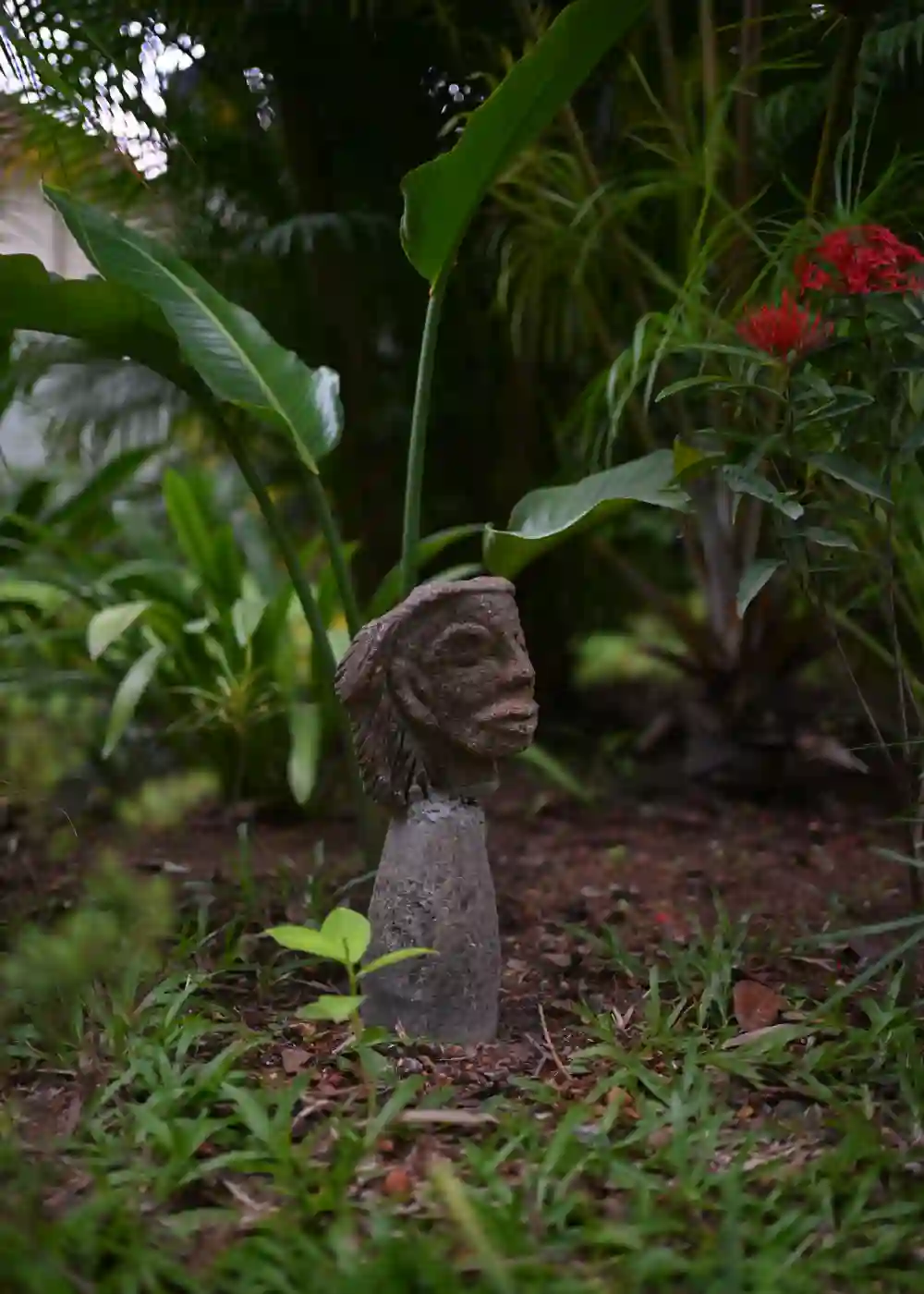
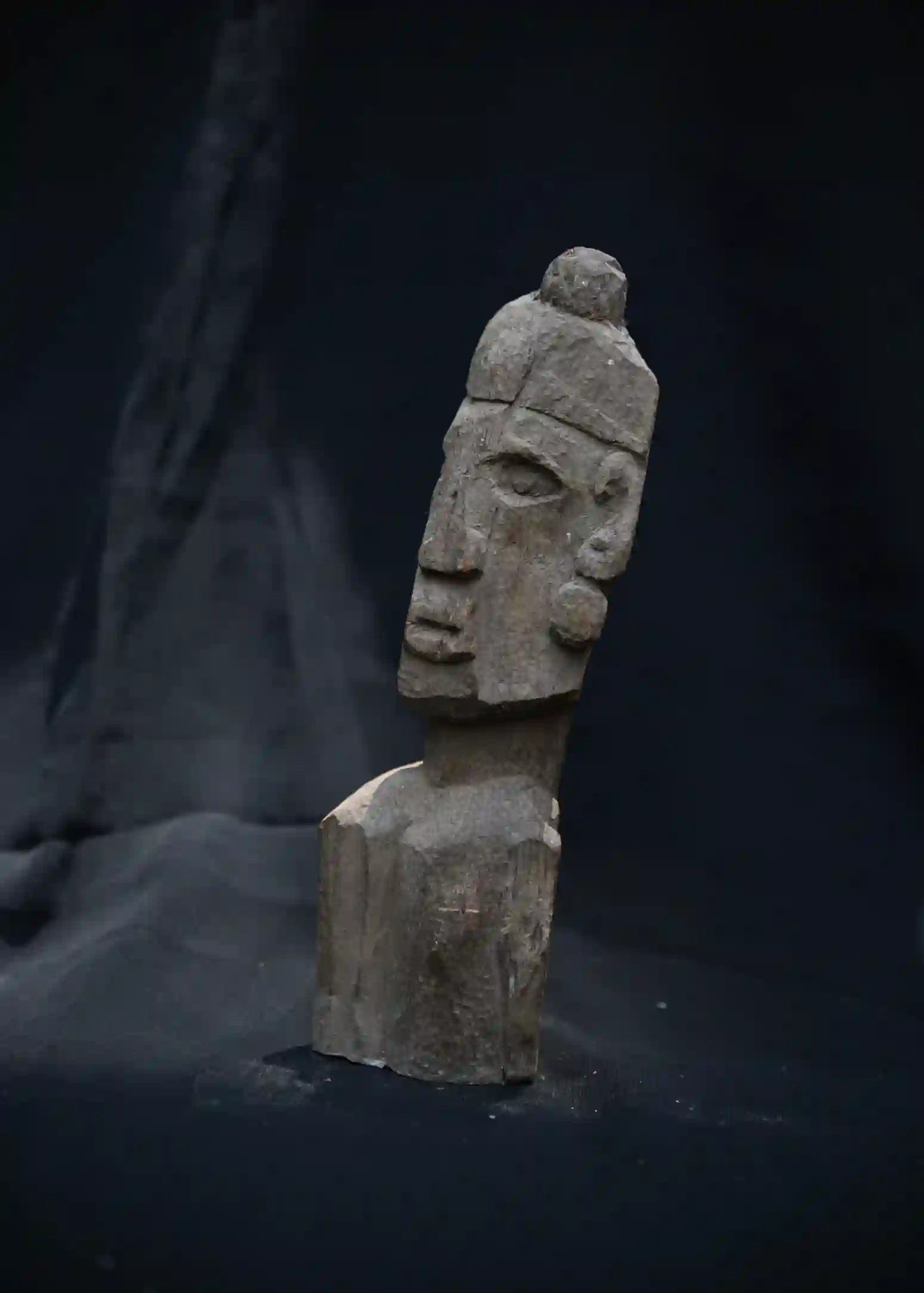
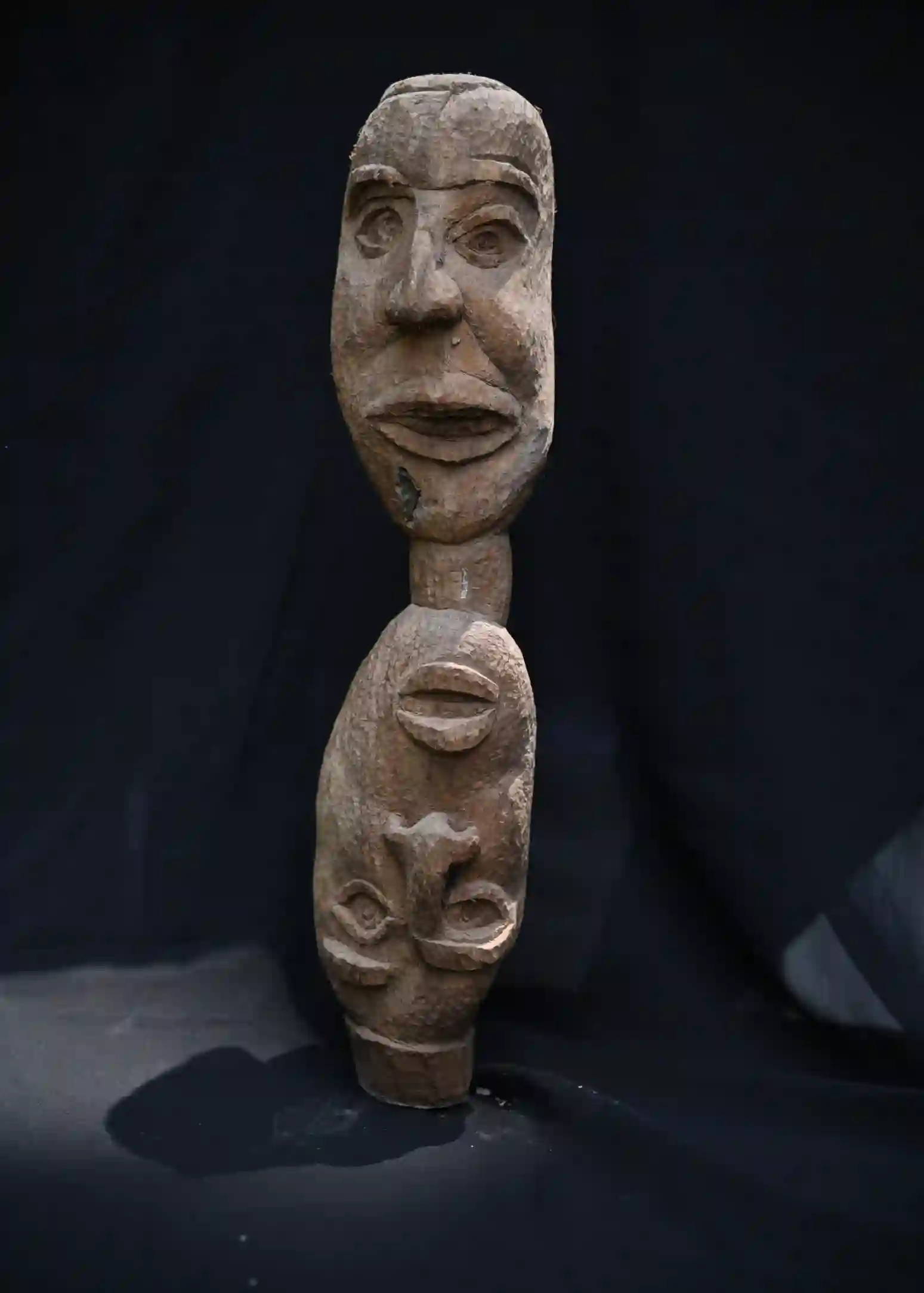
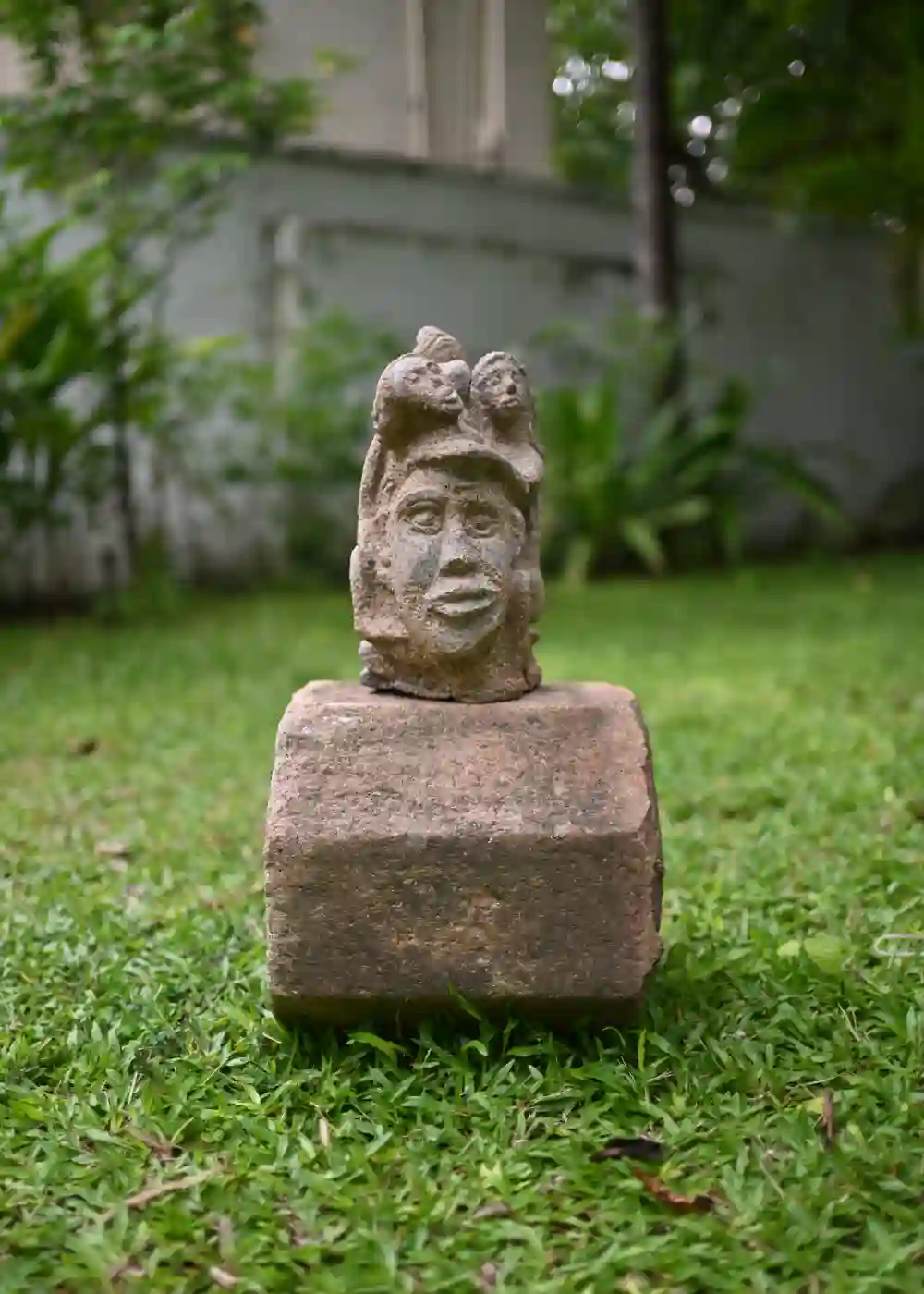
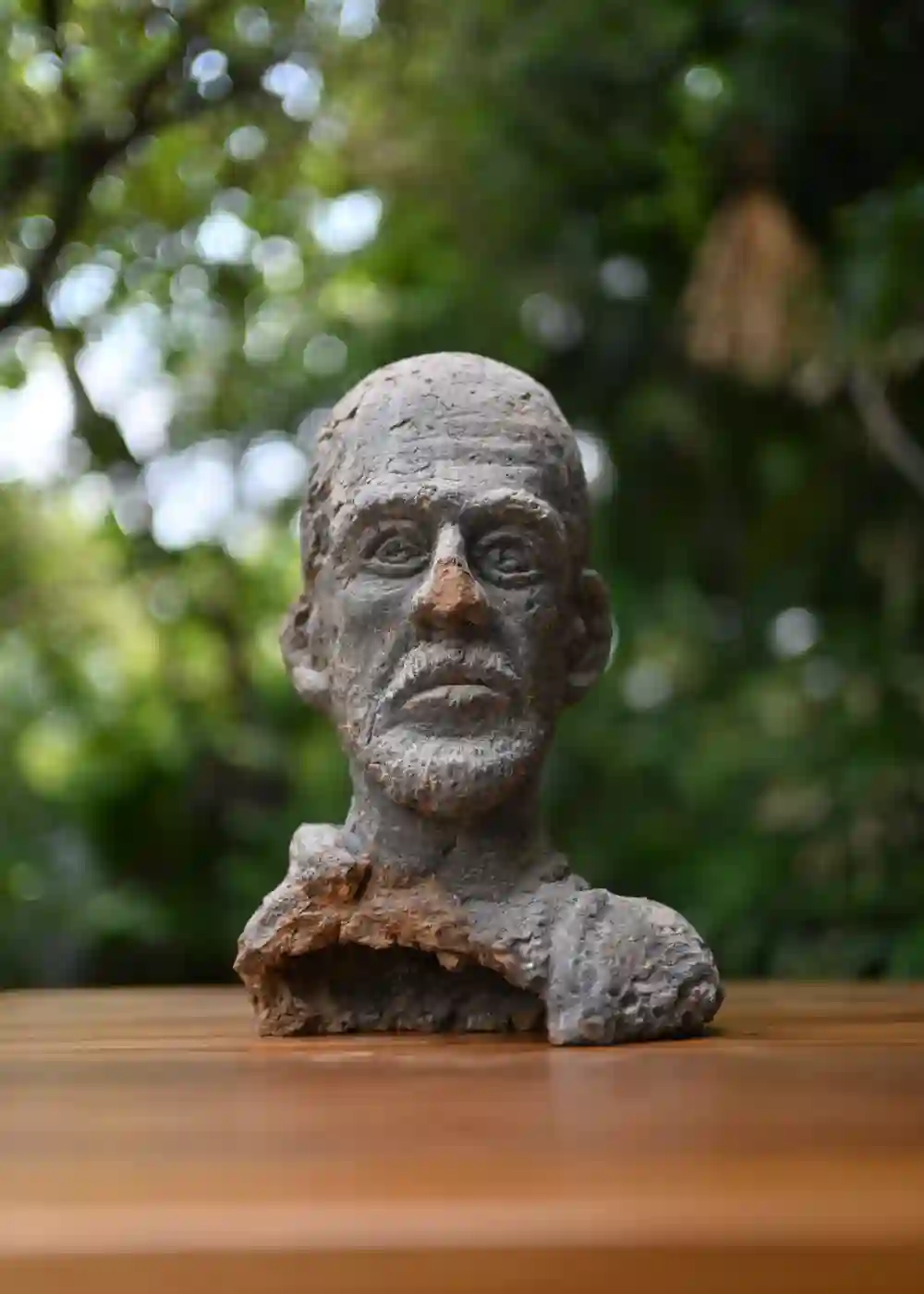
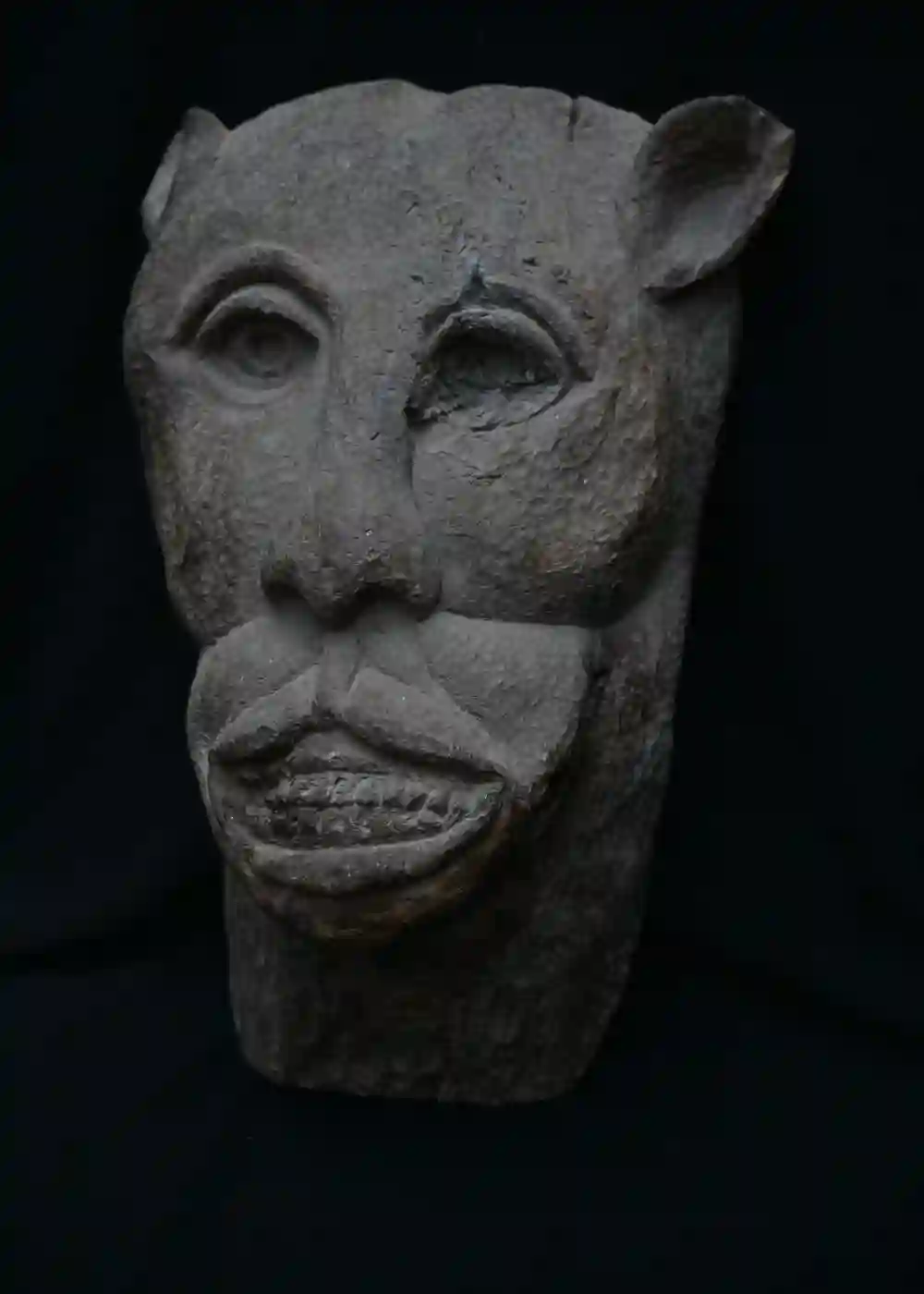
Shilpi Rajan is a self-taught sculptor from Thrissur, Kerala, whose journey into art is both unconventional and deeply rooted in lived experience. With no formal training in fine arts, he began his career as an automobile mechanic and was also a noted football player.

He discovered sculpting while working at a dam site in the early 1980s—an accidental yet transformative moment that marked the beginning of his artistic path. Since then, he has worked across a wide range of materials, including newspaper, clay, cement, wood, bamboo, coconut wood, iron, and laterite.

His works reflect a raw, organic engagement with material and form, and are part of several private and public collections in India and abroad.
Kara Hotel fort Kochi
Bromo - 80 x 60 cm
Kara Hotel fort Kochi
Caldera - 120 x 90 cm
Kara Hotel fort Kochi
Bromo - 80 x 60 cm
Kara Hotel fort Kochi
Genesis - 60 x 80 cm
Kara Hotel fort Kochi
Dikin - 60 x 80 cm
Kara Hotel fort Kochi
Nilna - 60 x 80 cm
Kara Hotel fort Kochi
Norma - 60 x 80 cm
Kara Hotel fort Kochi
Mudrah II - 45 x 60 cm
Kara Hotel fort Kochi
Zainatul - 45 x 60 cm
Kara Hotel fort Kochi
Batik - 60 x 80 cm
Kara Hotel fort Kochi
Mahfud - 60 x 80 cm
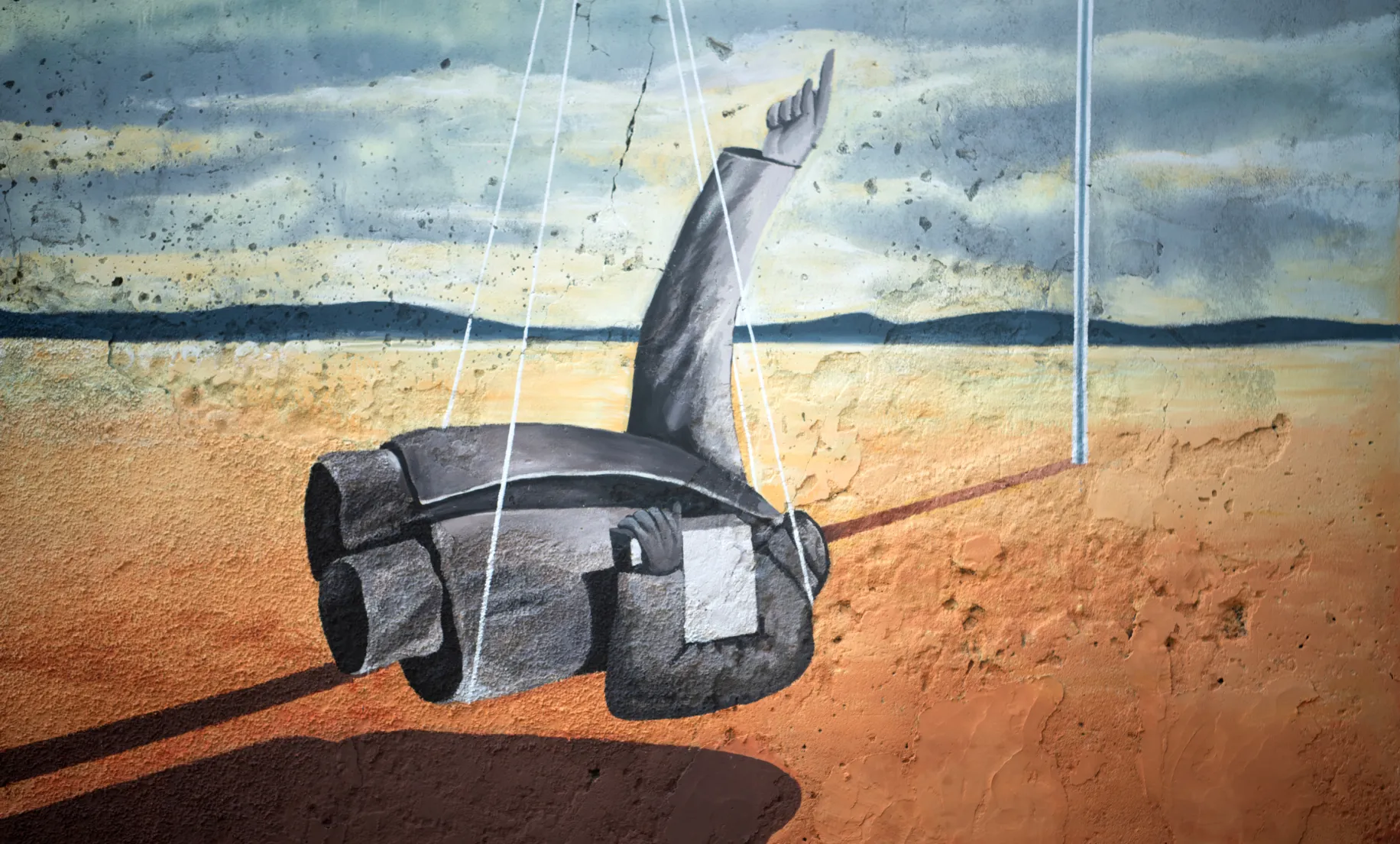
Midhun Mohan
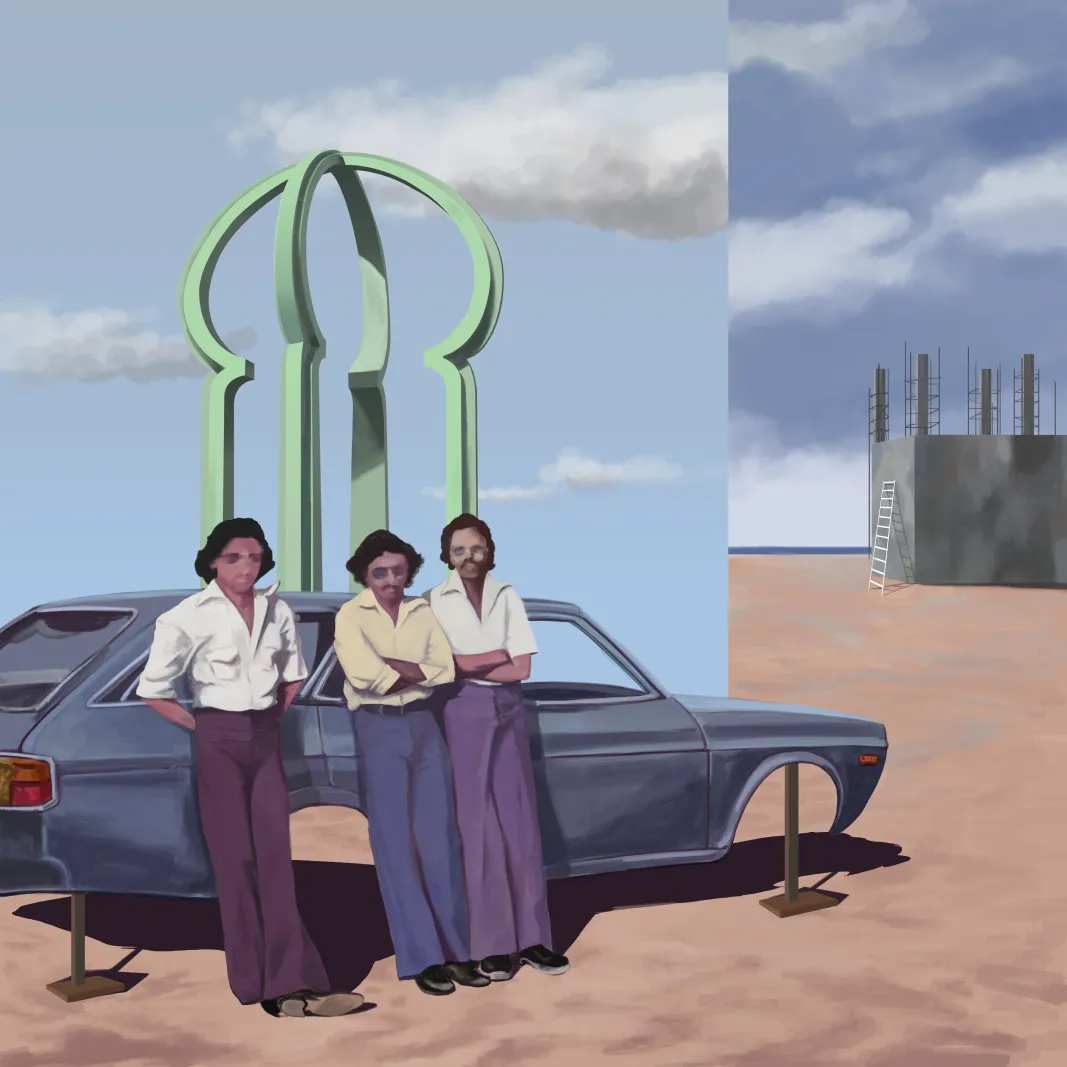
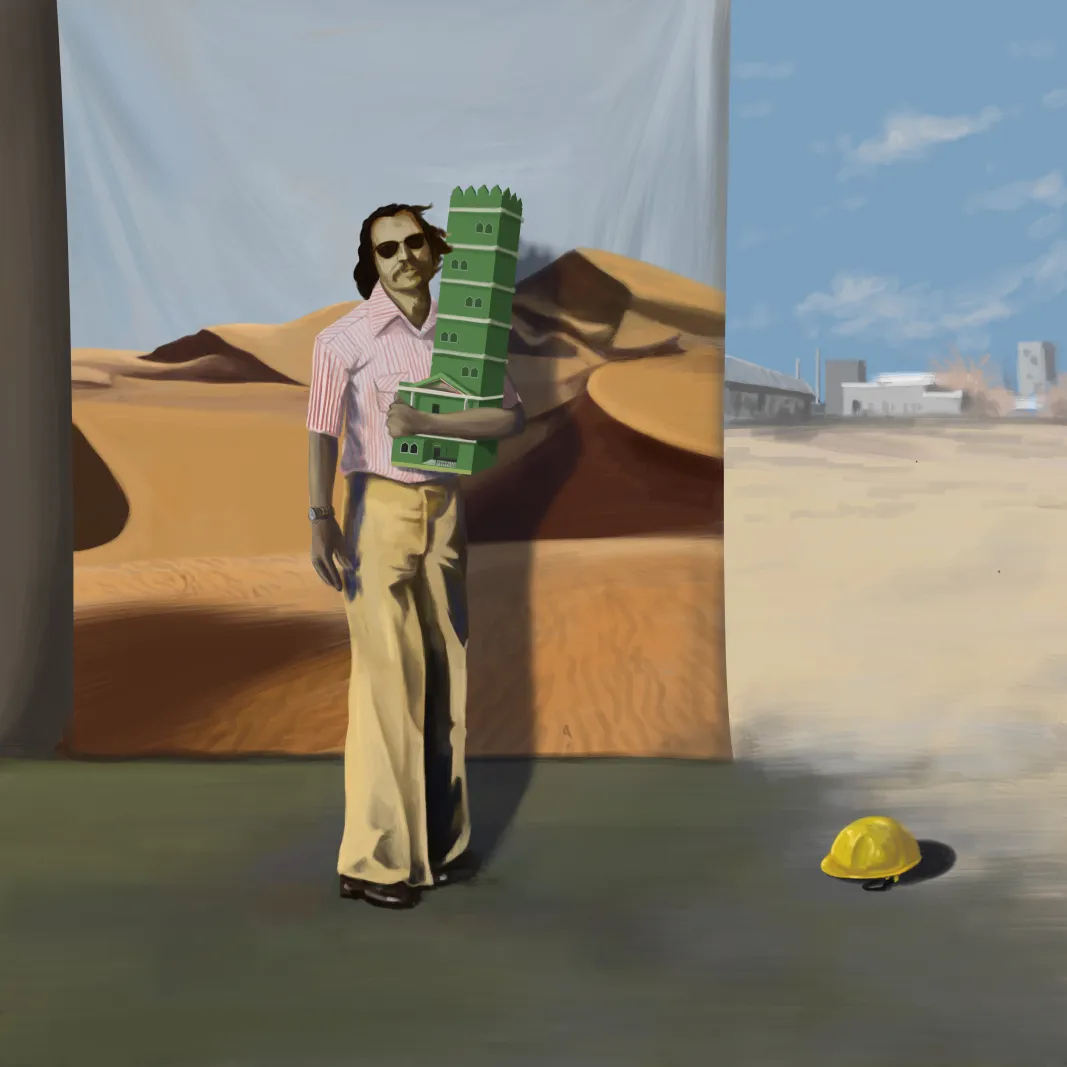
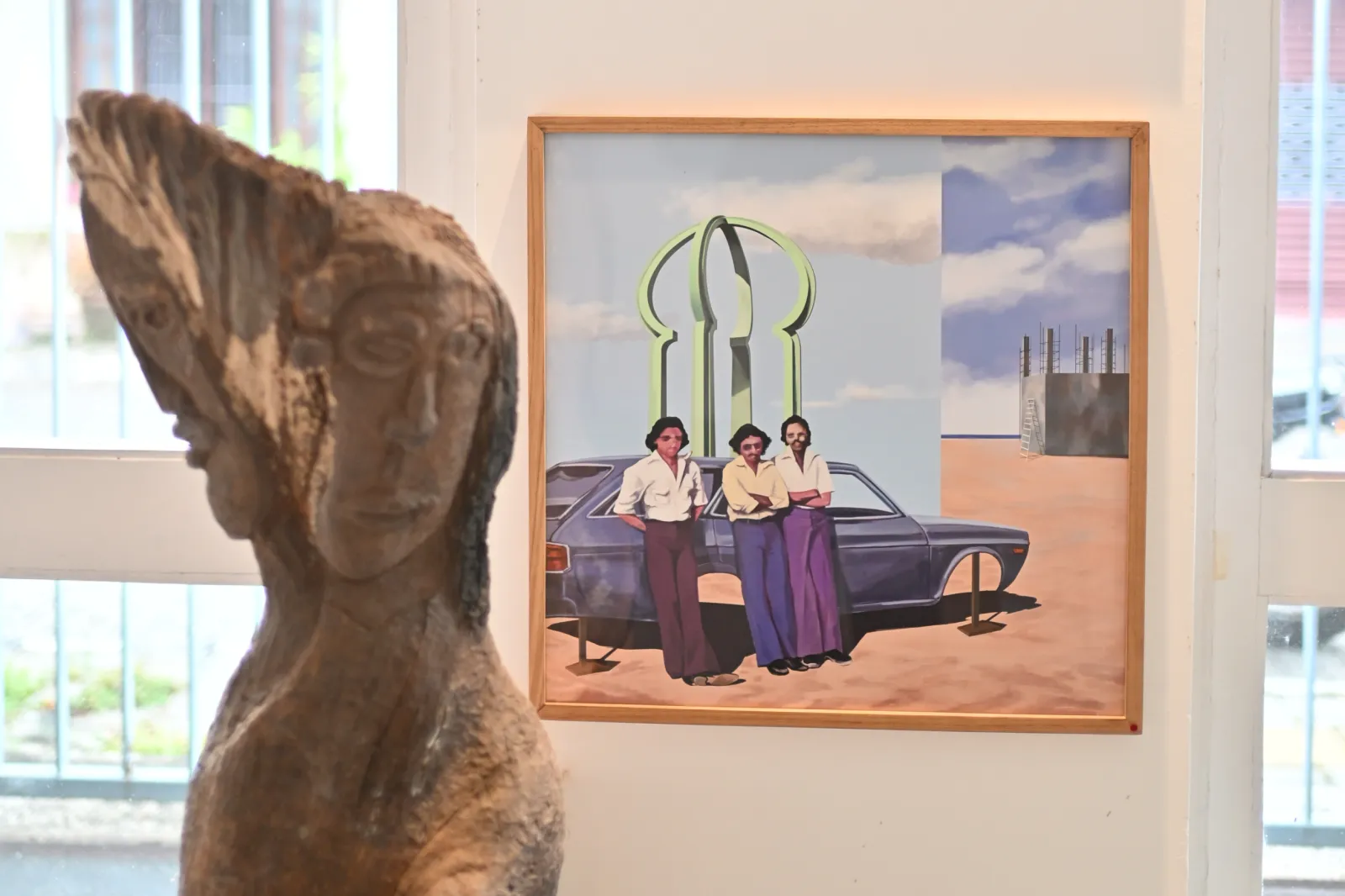
Midhun Mohan was a multidisciplinary artist whose practice engaged deeply with questions of aesthetics, philosophy, politics, and spirituality. His work moved fluidly across visual, digital, haptic, and archival forms, often challenging conventional boundaries of medium.

Midhun explored themes such as maritime histories, cultural exchange, colonialism, diaspora, slavery, marginality, and myth. His works frequently offered satirical counter-narratives to dominant historical and cultural discourses. He once described "pixels as the proletariats of the digital surface," highlighting his interest in the emancipatory potential of digital media.

Despite his experimental and critical approach, he remained concerned with the limitations of art in expressing certain profound philosophical and spiritual experiences.

Midhun Mohan passed away on 5 June 2023.
Kara Hotel fort Kochi
Bromo - 80 x 60 cm
Kara Hotel fort Kochi
Caldera - 120 x 90 cm
Kara Hotel fort Kochi
Genesis - 60 x 80 cm
Kara Hotel fort Kochi
Dikin - 60 x 80 cm
Kara Hotel fort Kochi
Nilna - 60 x 80 cm
Kara Hotel fort Kochi
Bromo - 80 x 60 cm
Kara Hotel fort Kochi
Caldera - 120 x 90 cm
Kara Hotel fort Kochi
Genesis - 60 x 80 cm
Kara Hotel fort Kochi
Genesis - 60 x 80 cm
Kara Hotel fort Kochi
Genesis - 60 x 80 cm
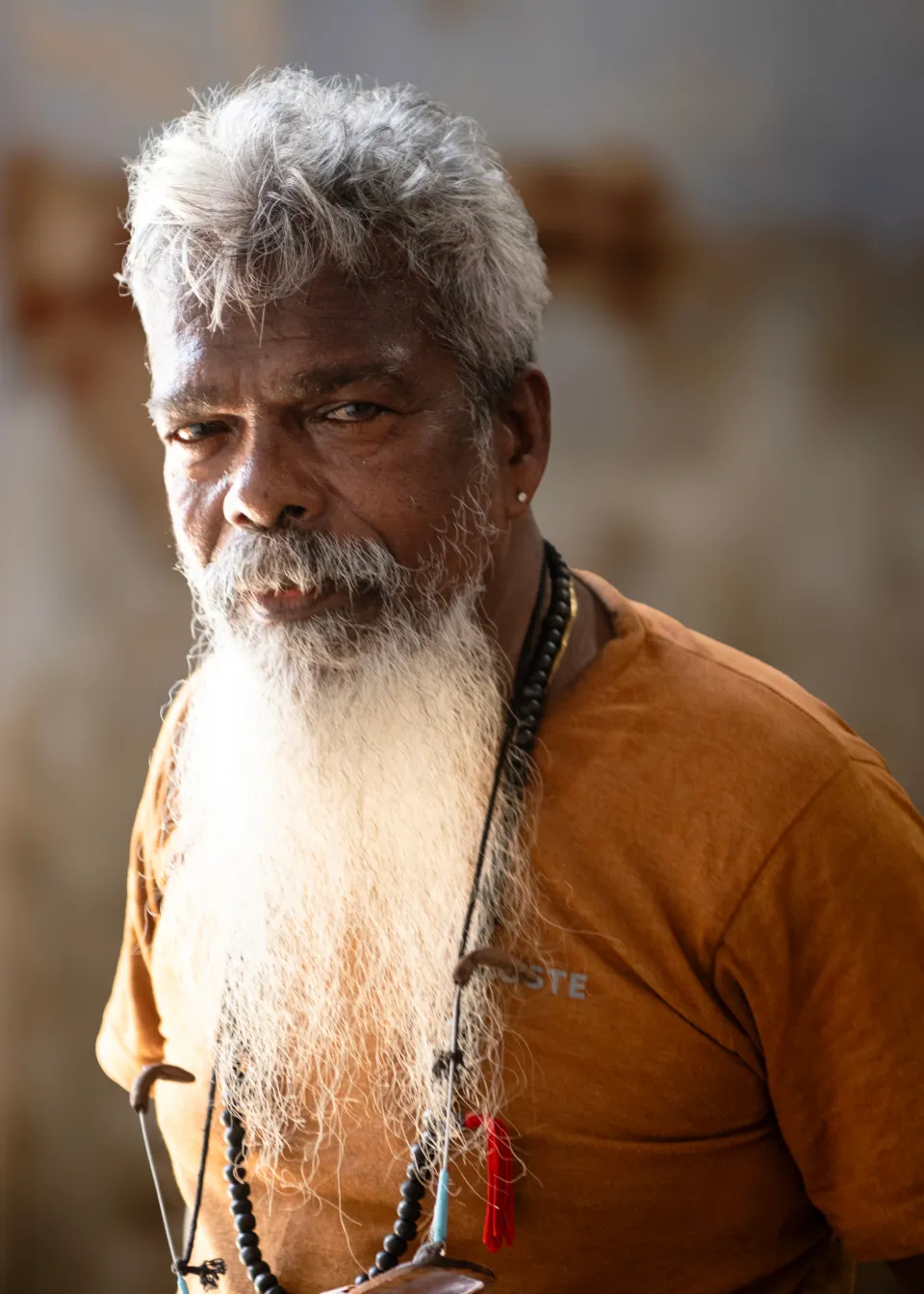
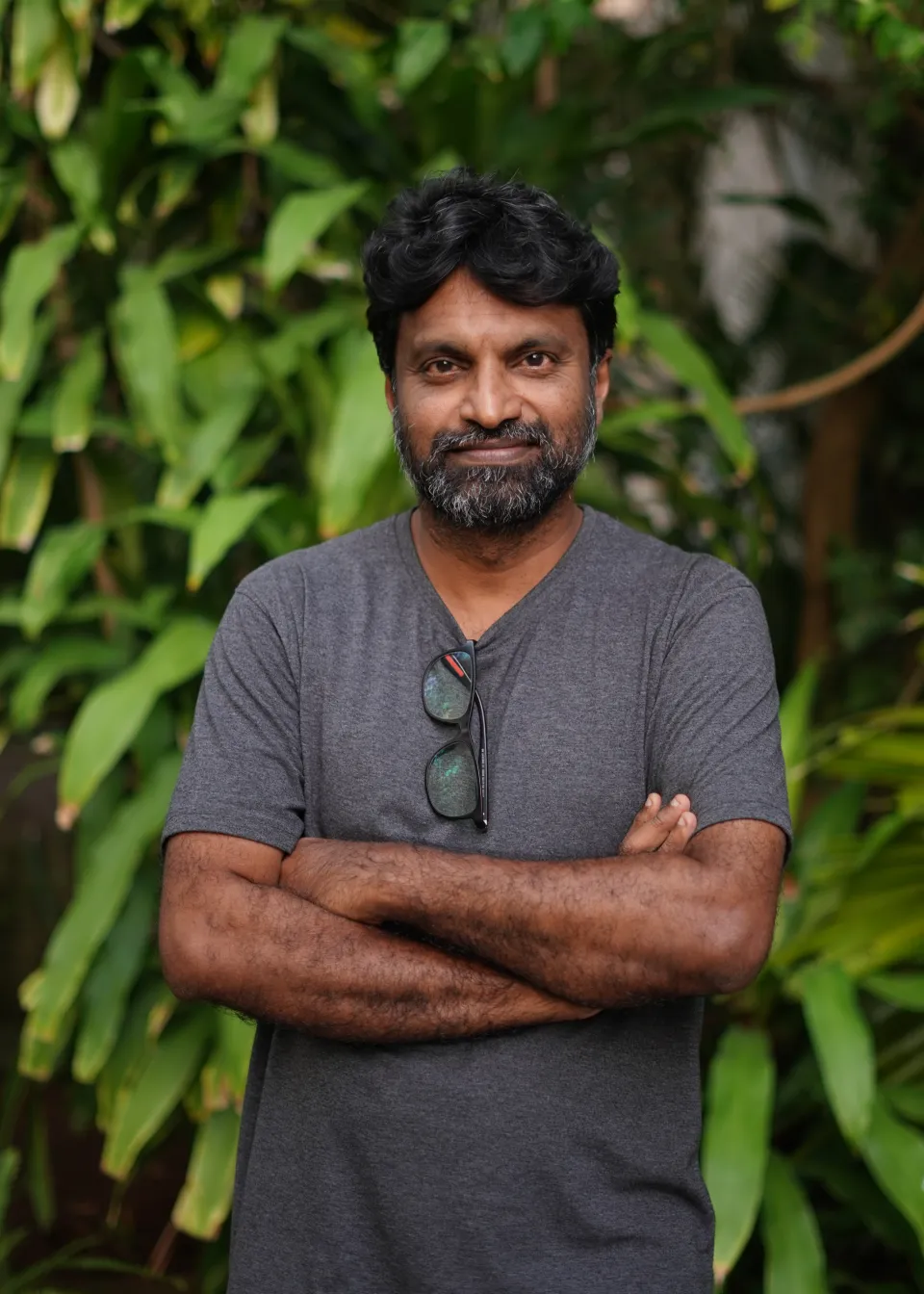
Mohamed A
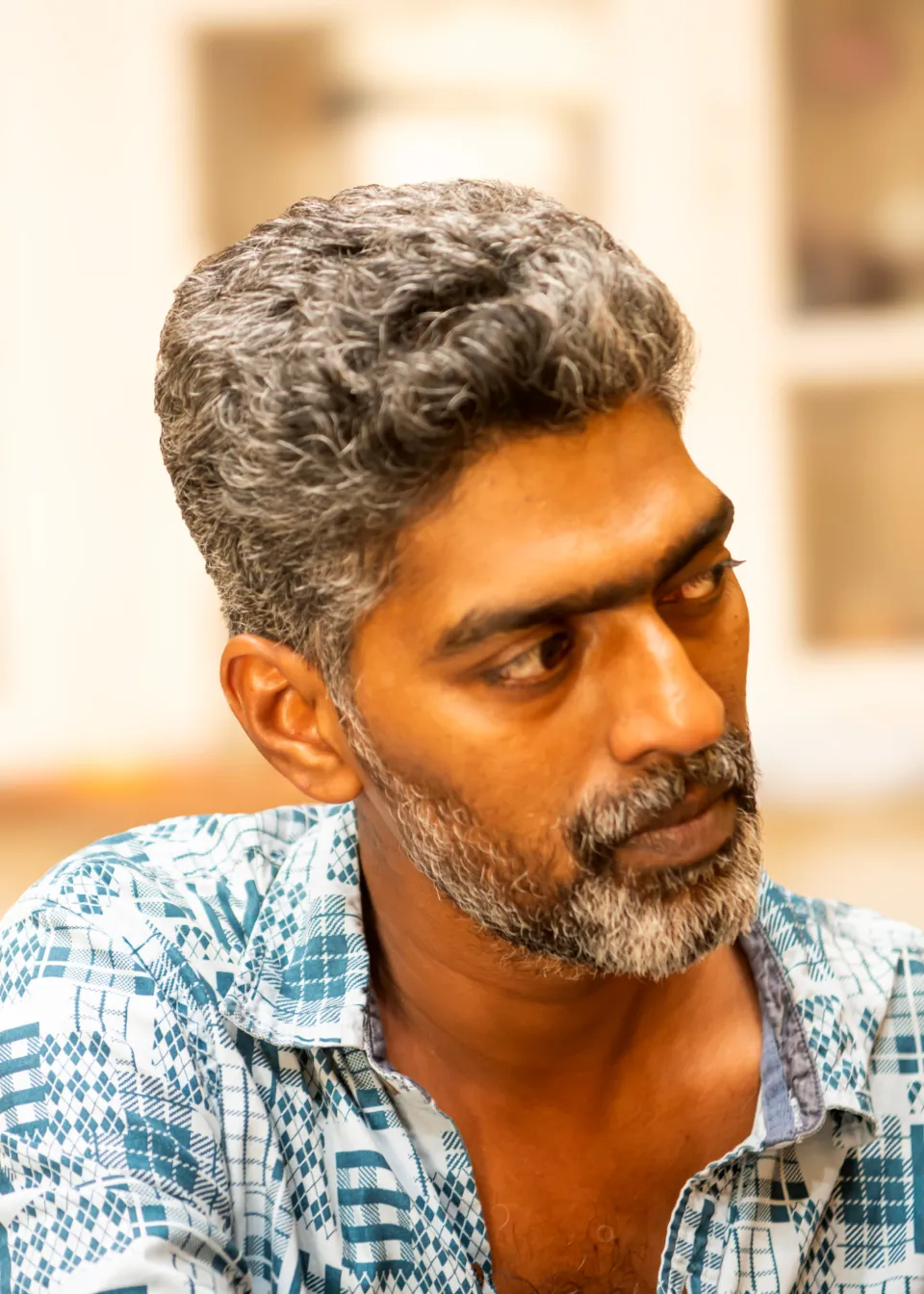
Mohamed A is a photographer and cinematographer from Thiruvananthapuram, Kerala, with over two decades of experience in visual storytelling. A graduate in Fine Arts, he was awarded the prestigious Junior Fellowship in Photography by the Department of Culture, Government of India (2002–2004), which significantly shaped his artistic journey.

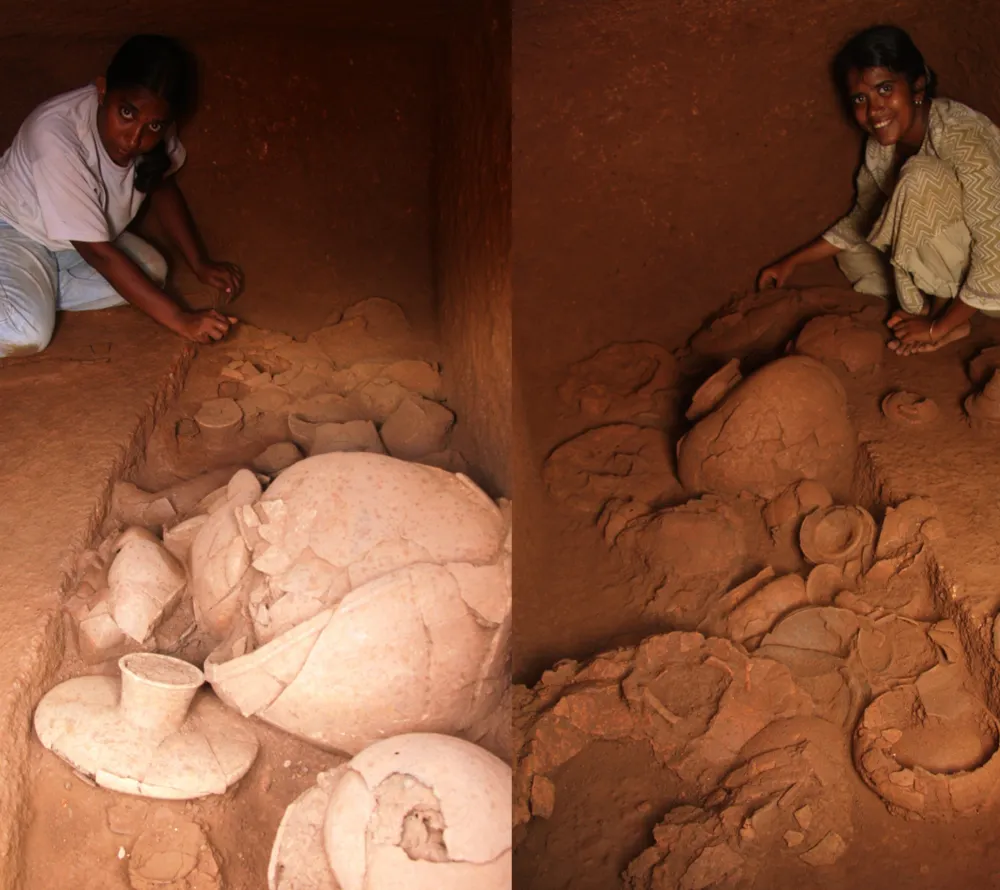
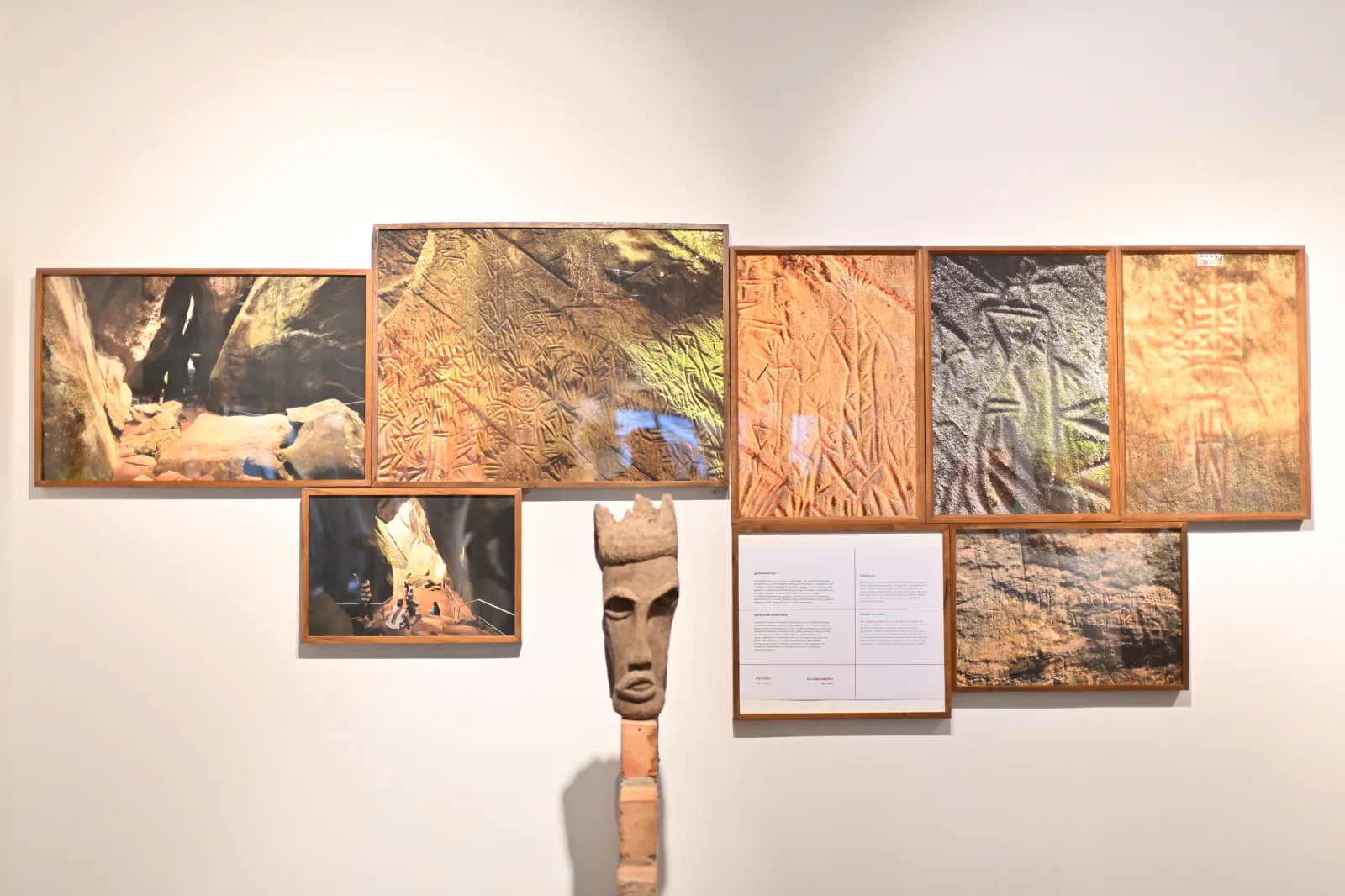
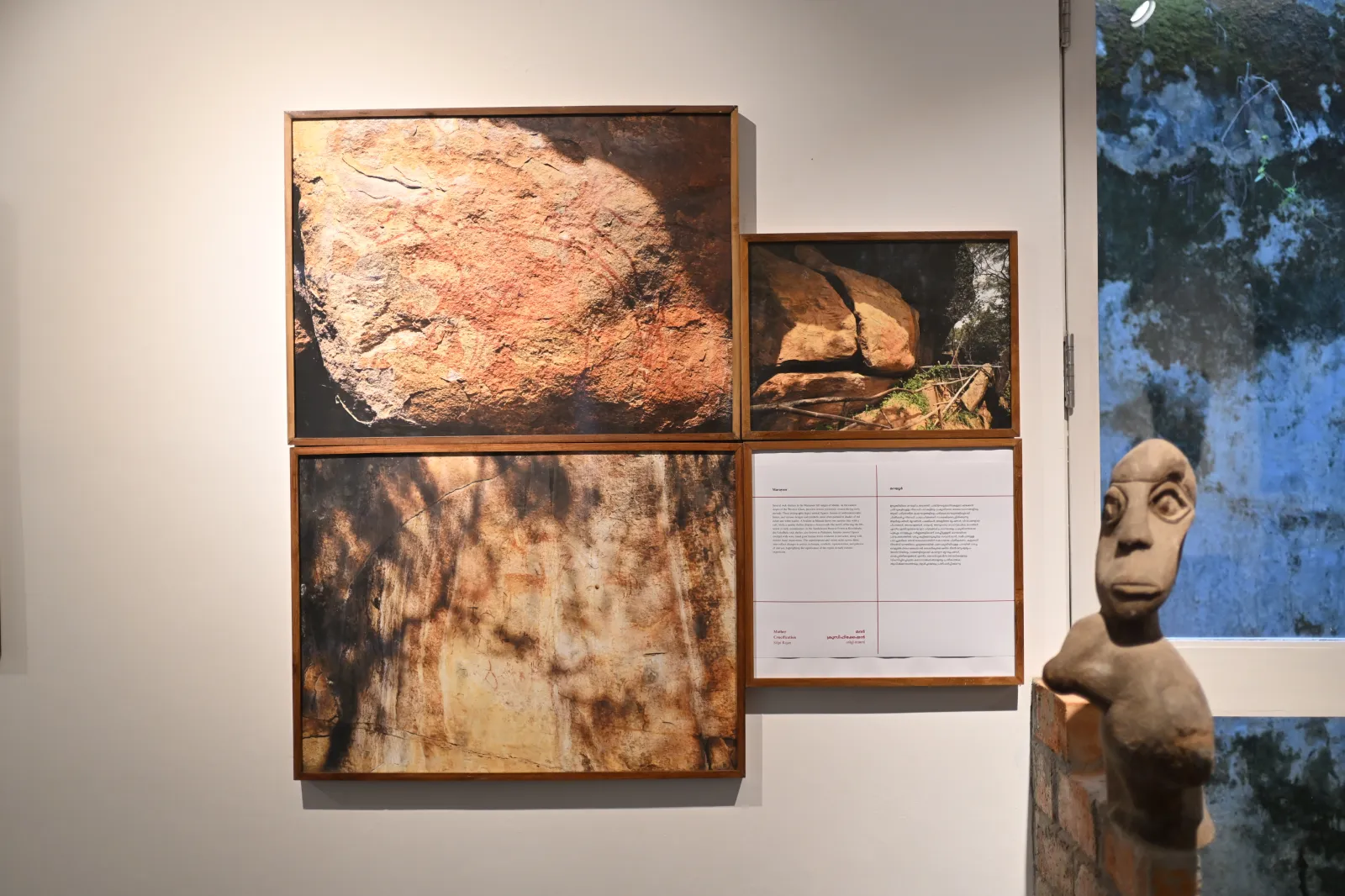
His work is known for its thematic depth, exploring nature, lifestyle, culture, and traditions through a nuanced interplay of light and colour. His photographs have been featured in several national and international publications. He also has extensive experience in documenting archival and archaeological materials.
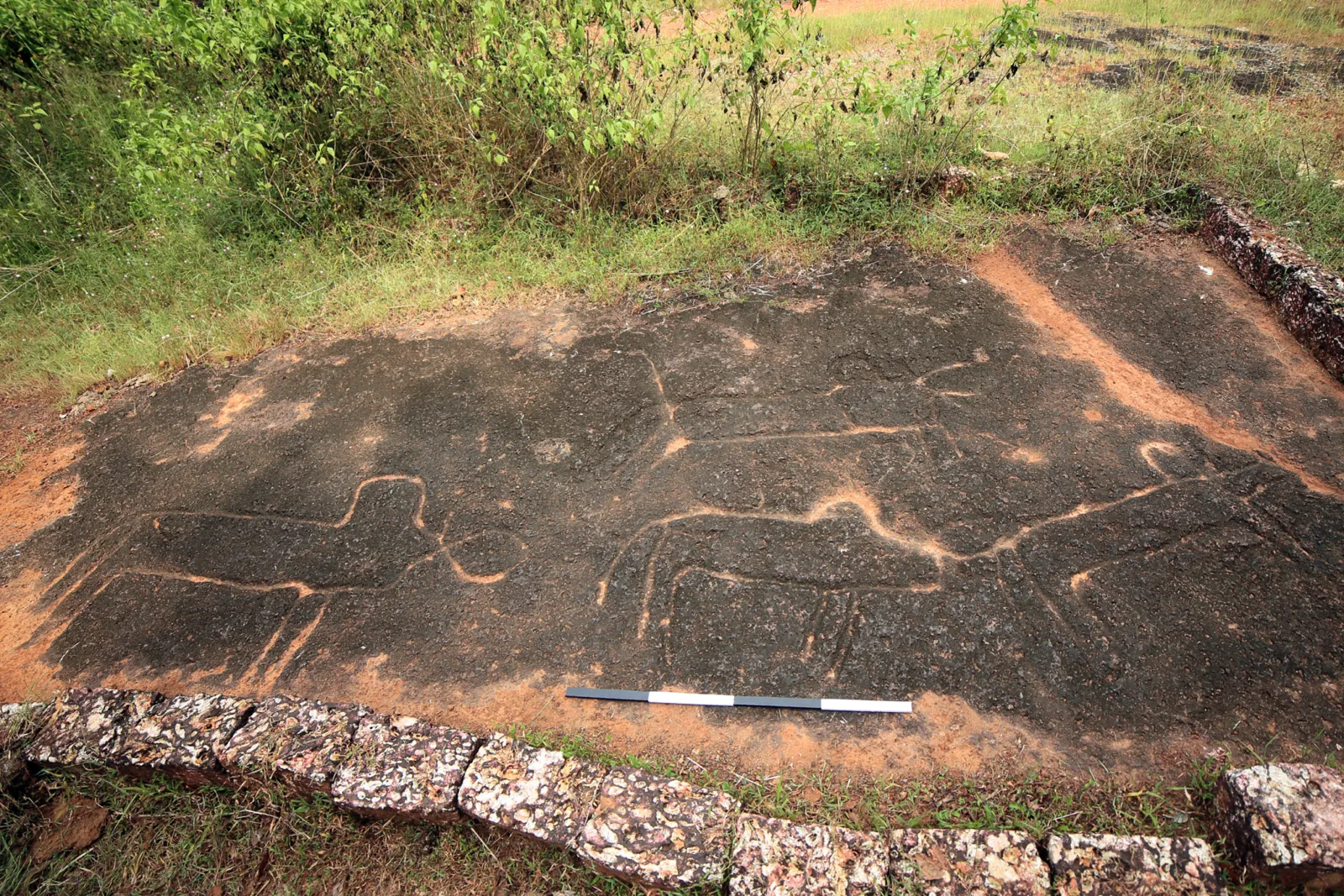
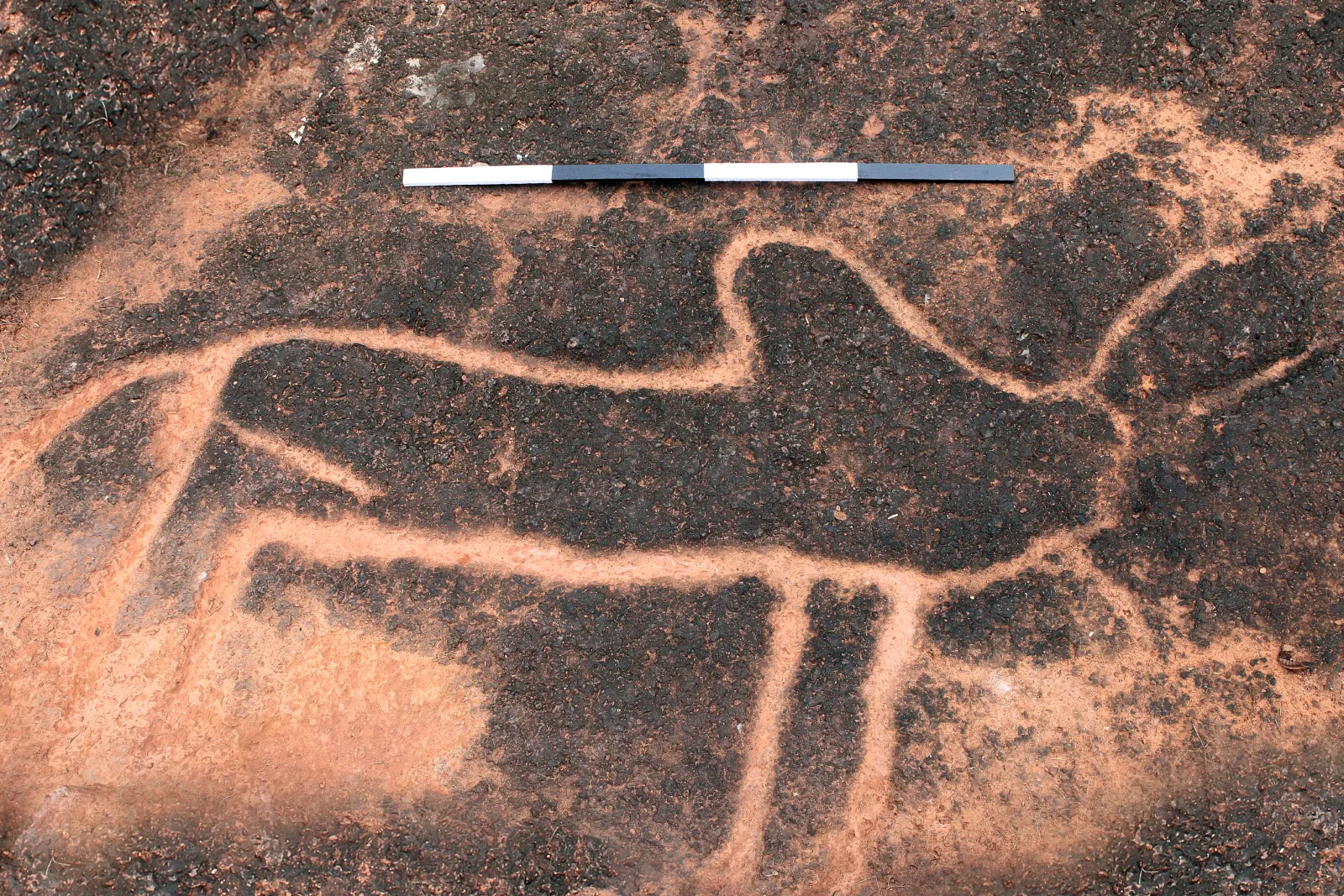
Ettukudukku
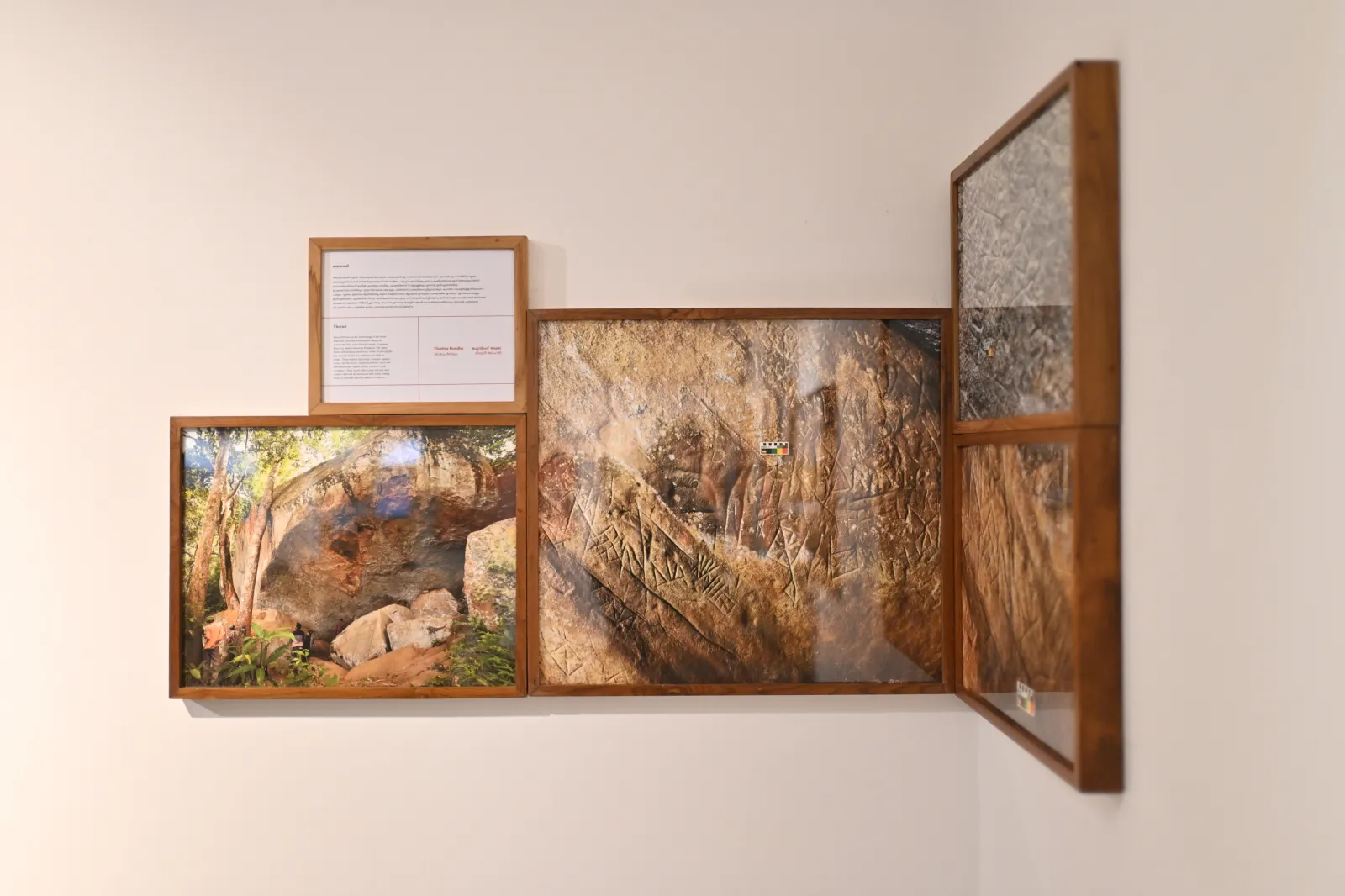
At Ettukudukka in Kannur, engravings carved into exposed laterite transform a flat-topped hill into a cultural landmark. These geoglyphs depict herds of eastward-moving cattle with pronounced humps and horns, repeating a shared visual language across multiple compositions. Similar carvings along the Konkan Coast suggest continuity in symbolic representation and landscape use by past communities.
Kara Hotel fort Kochi
Bromo - 80 x 60 cm
Kara Hotel fort Kochi
Caldera - 120 x 90 cm
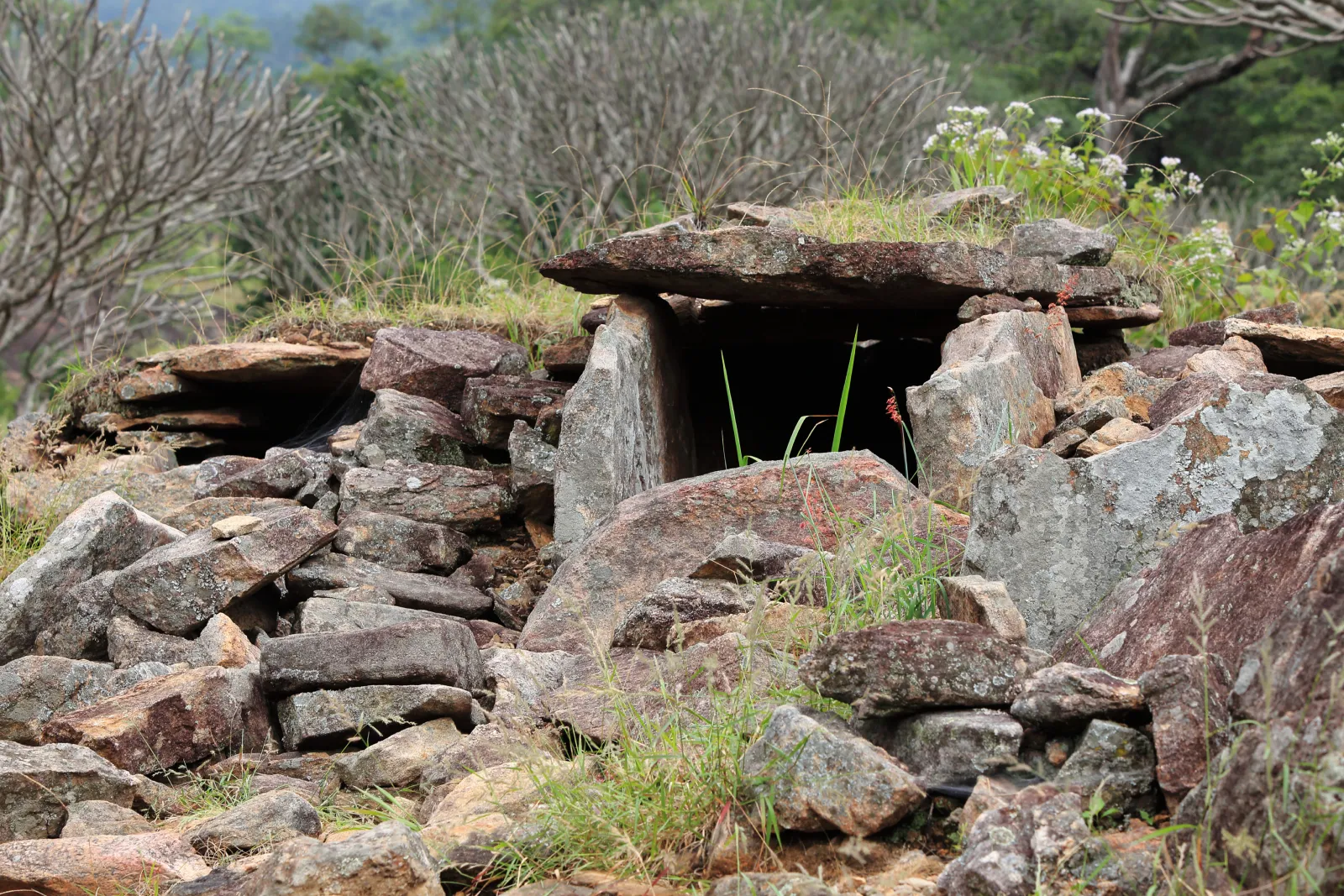
Death Typology
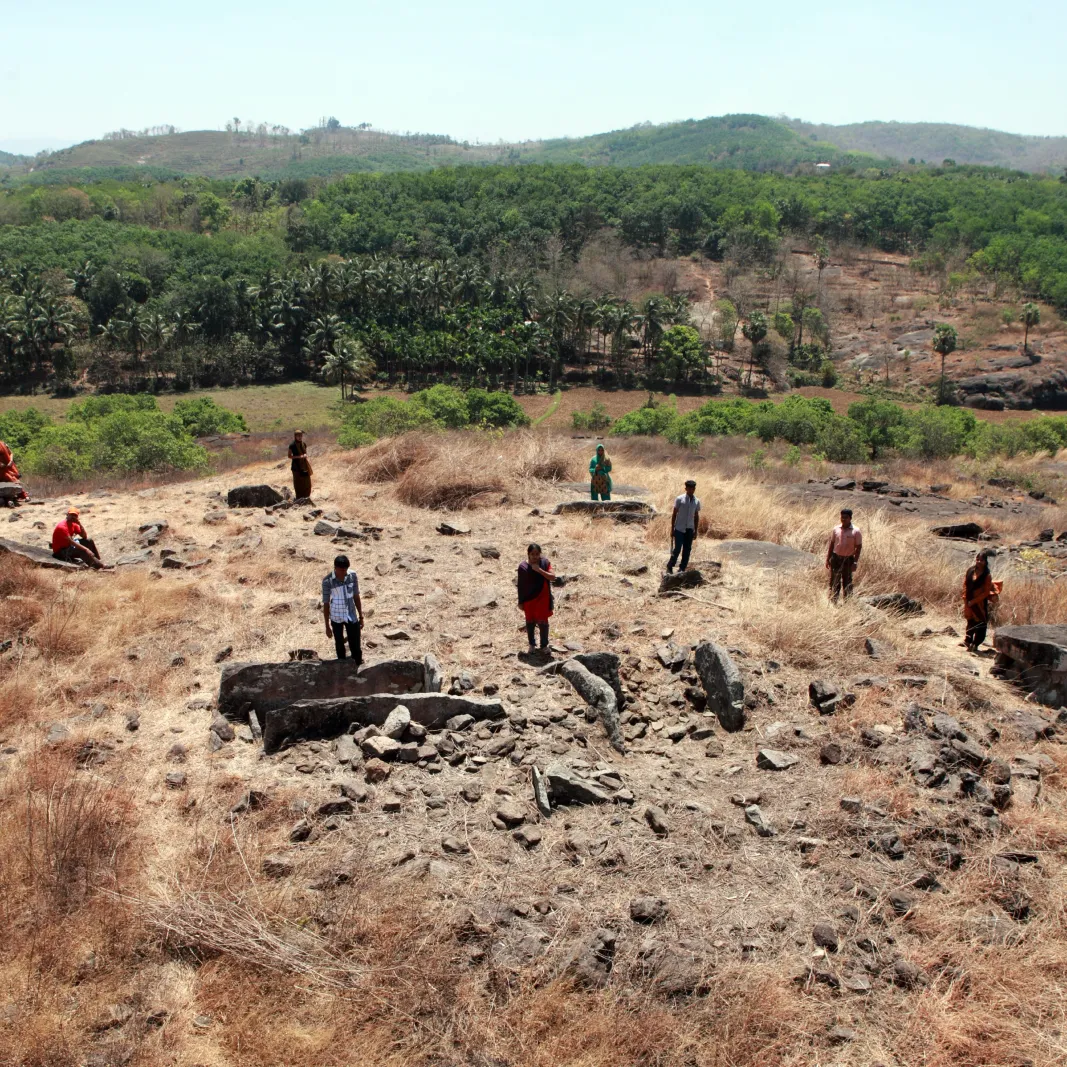
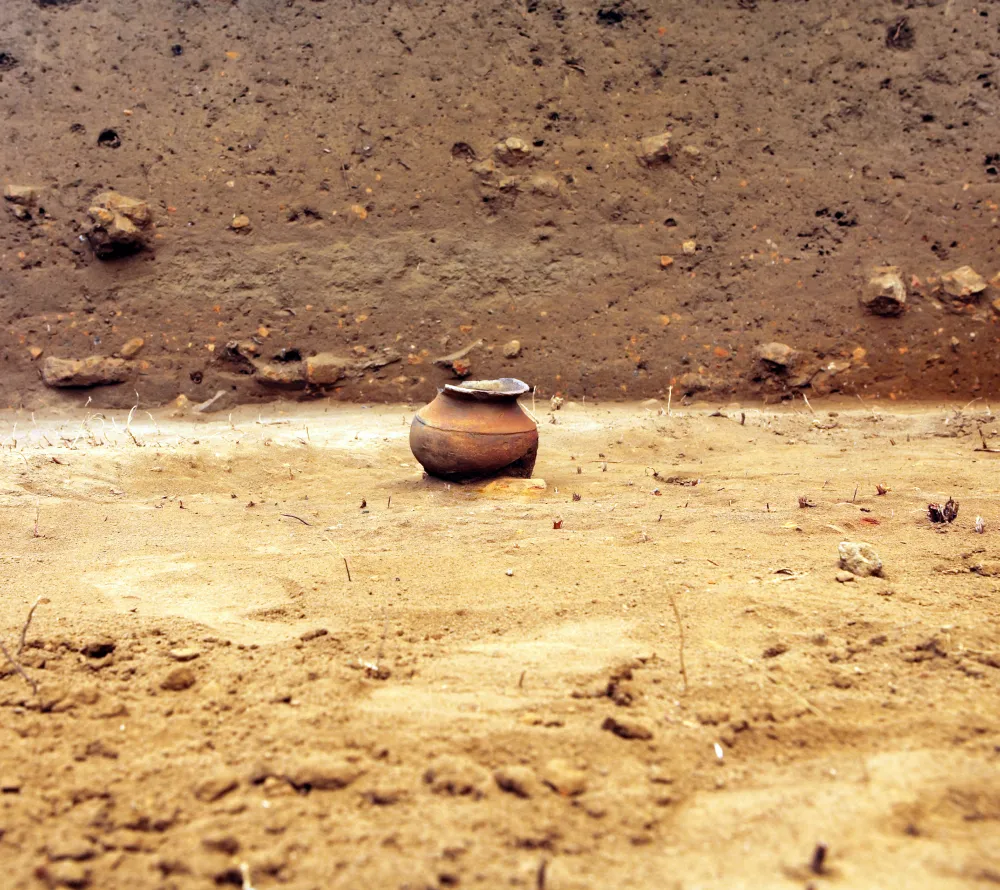
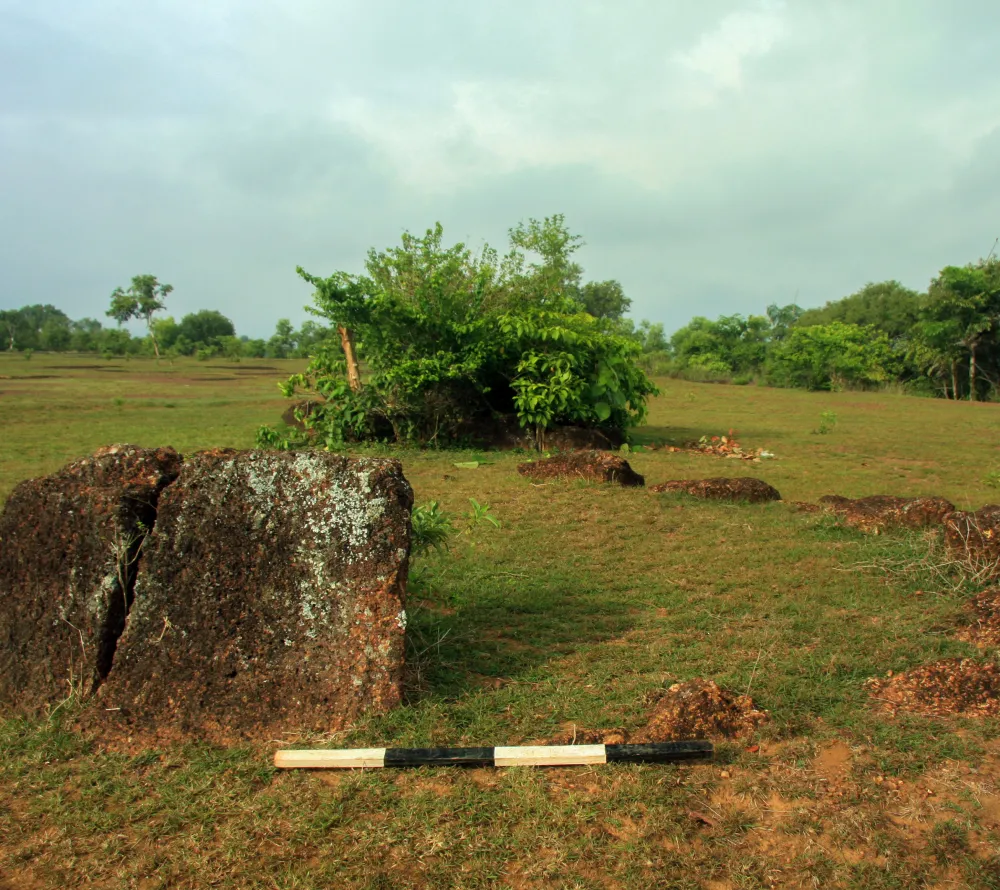
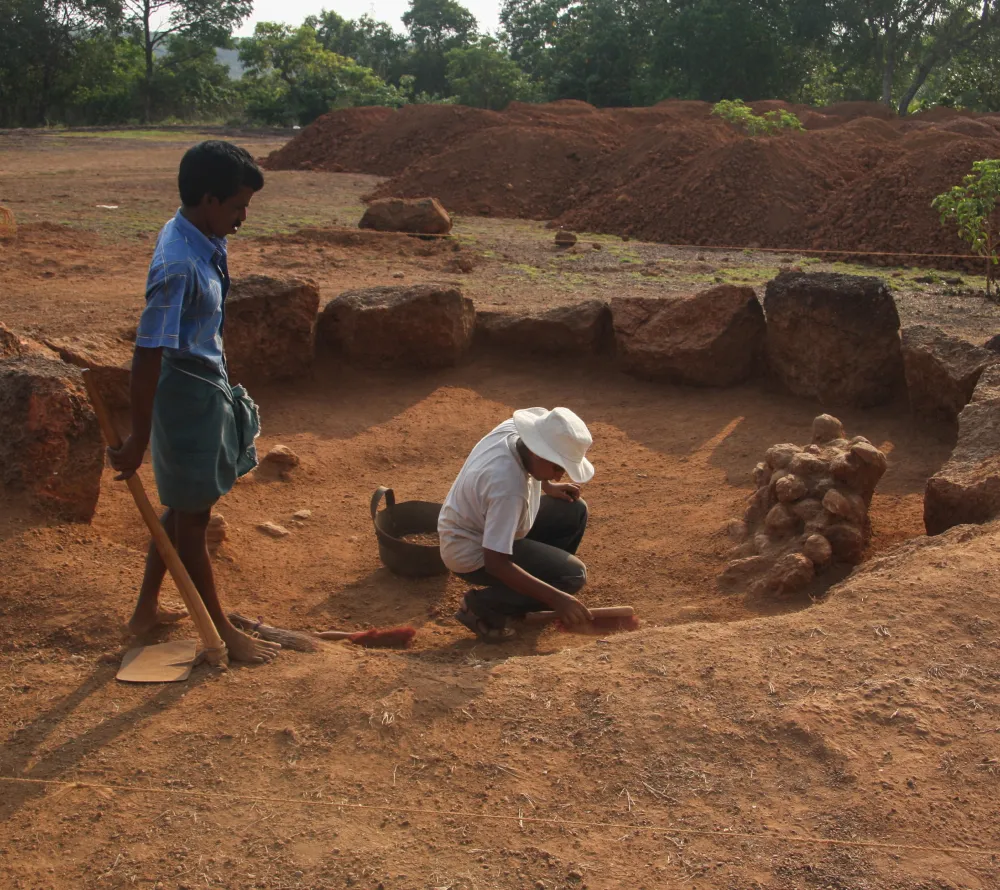
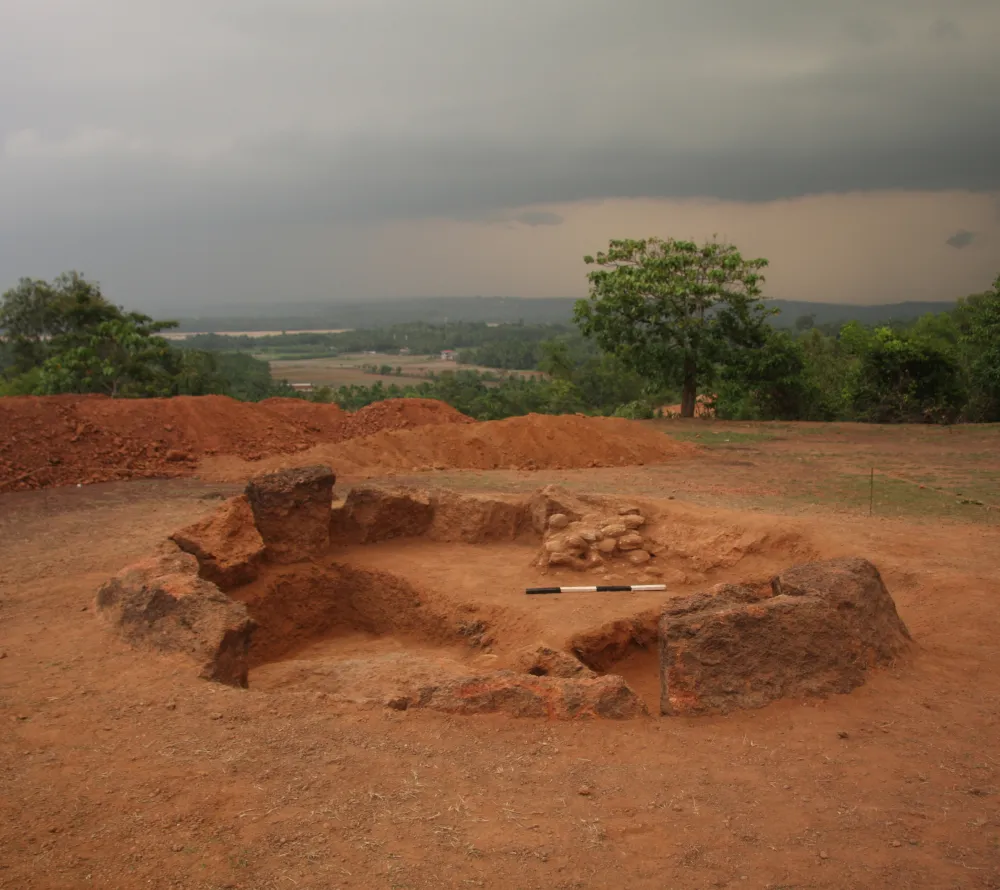
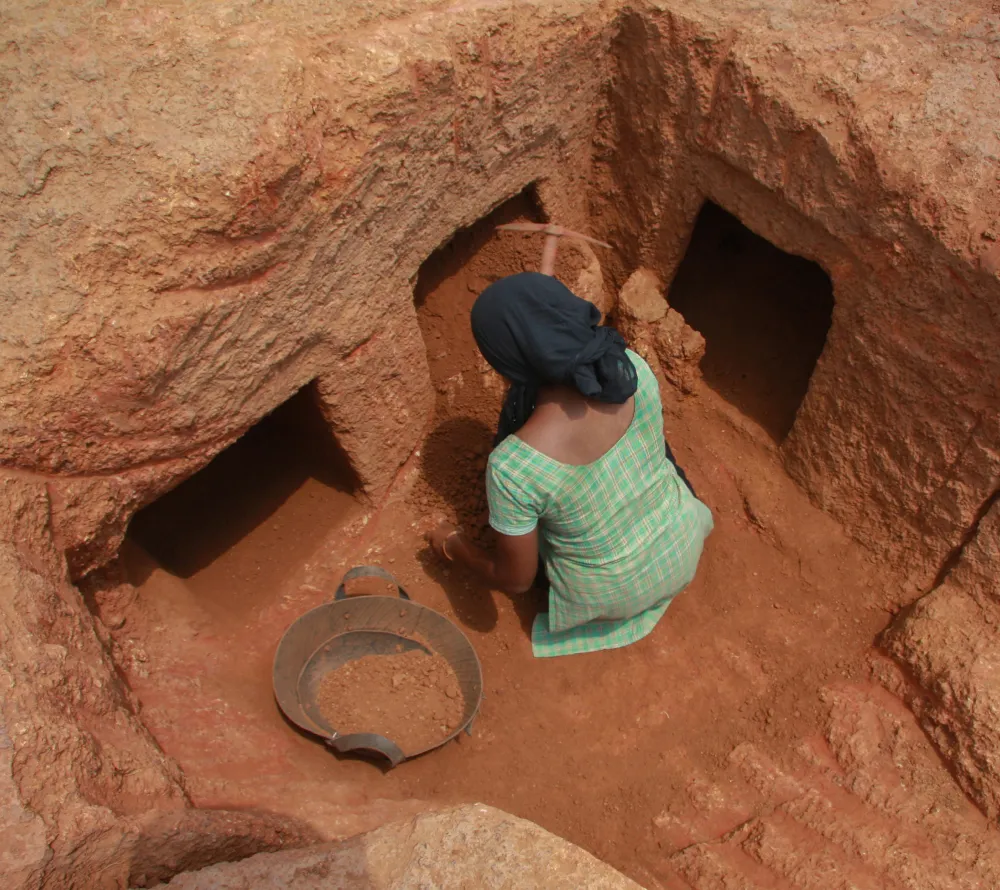
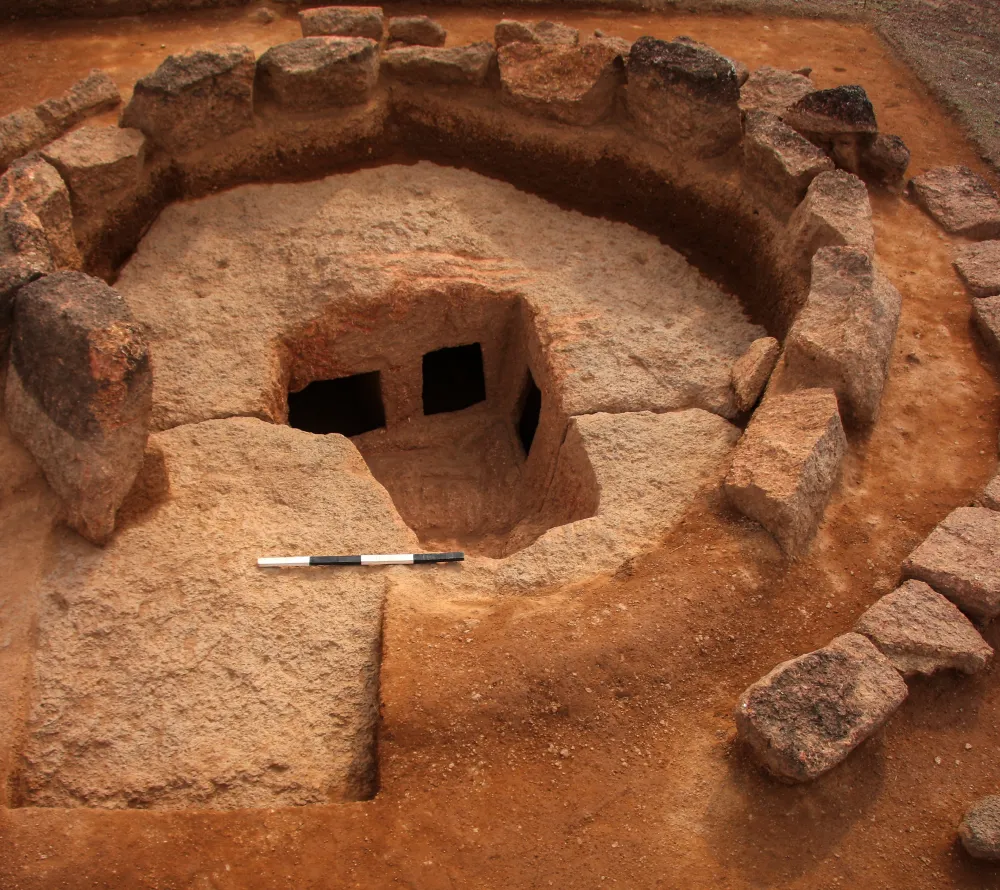
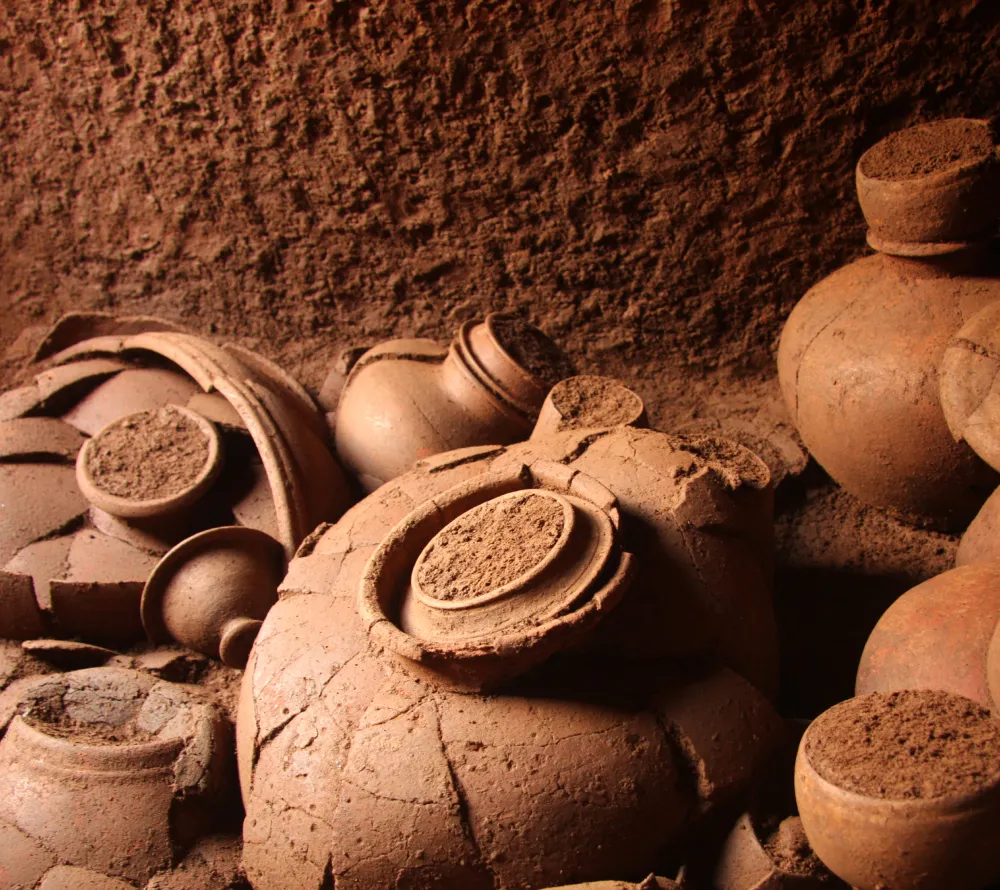
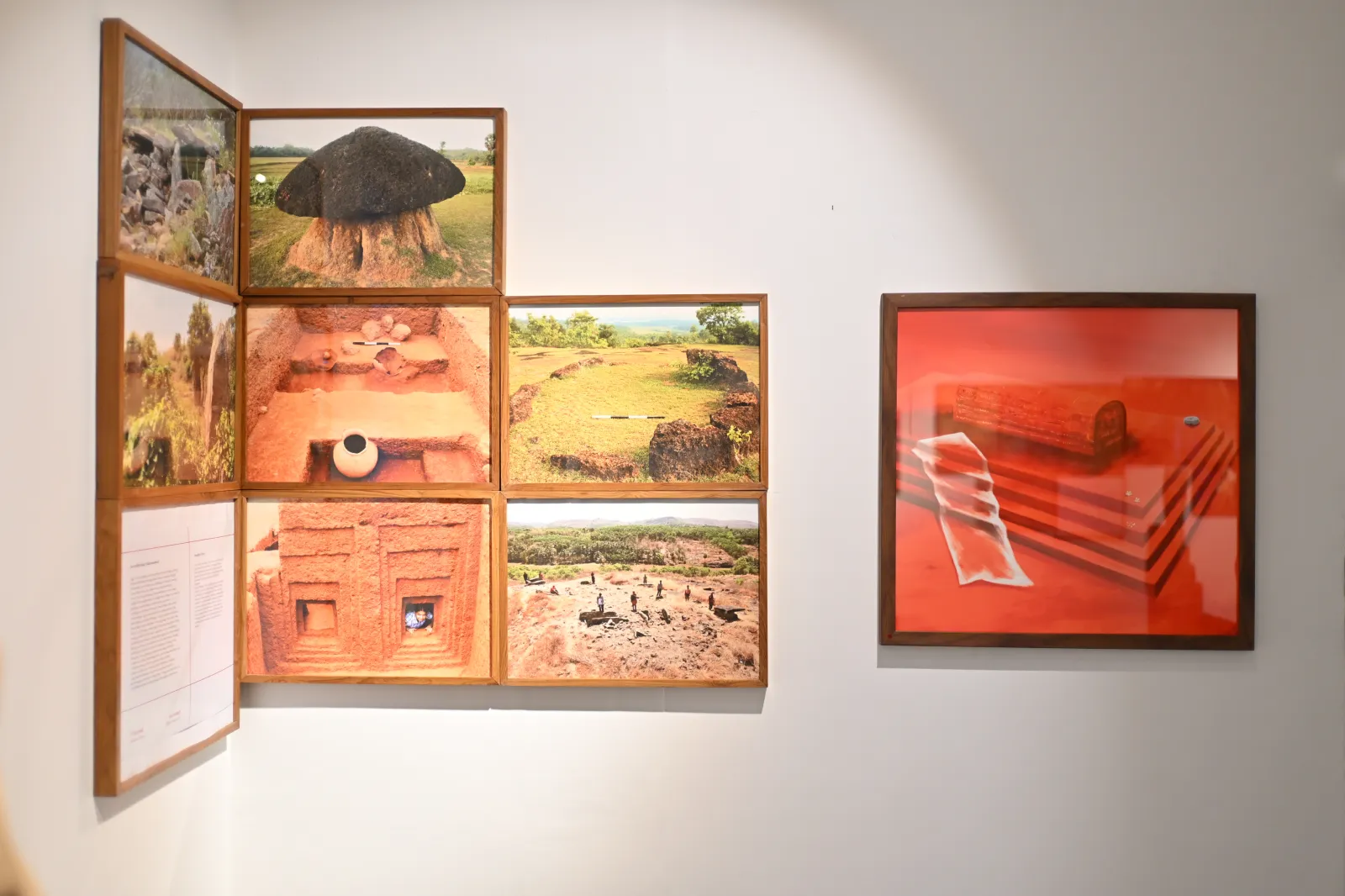
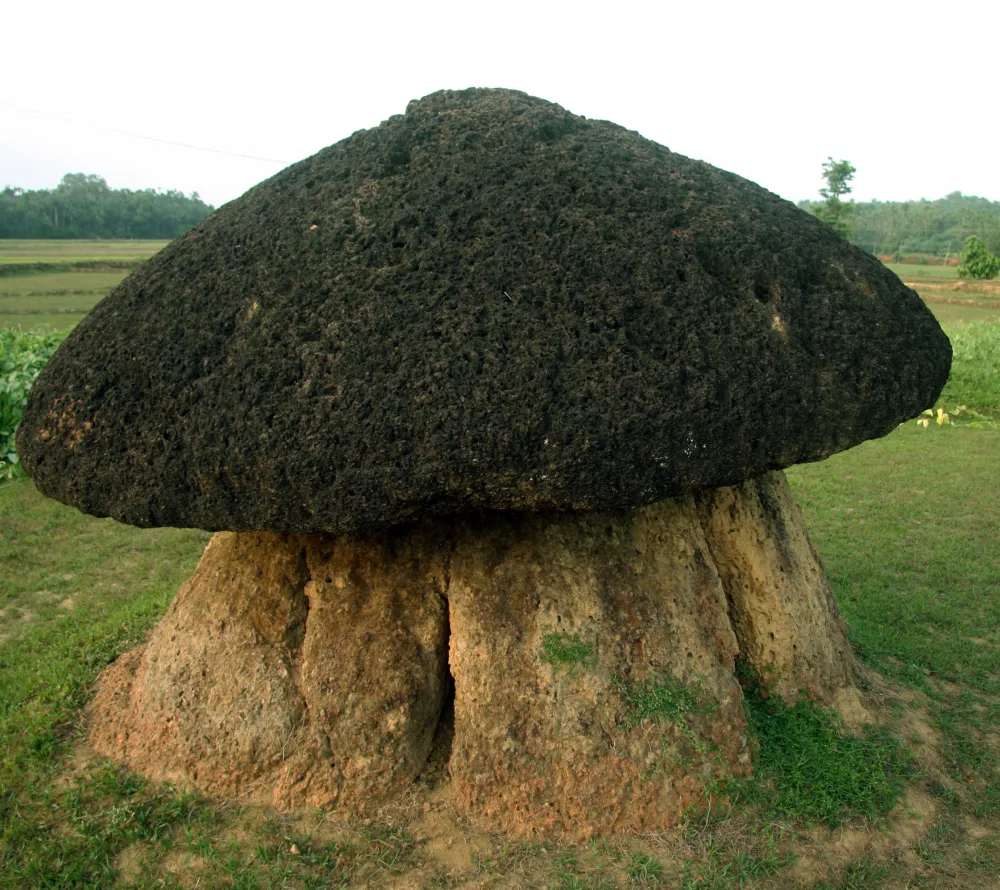
Mortuary archaeology, the branch of archaeology devoted to death and burial practices, invites us into these quiet, intimate rituals of the past. Among its most striking expressions are Megalithic monuments.
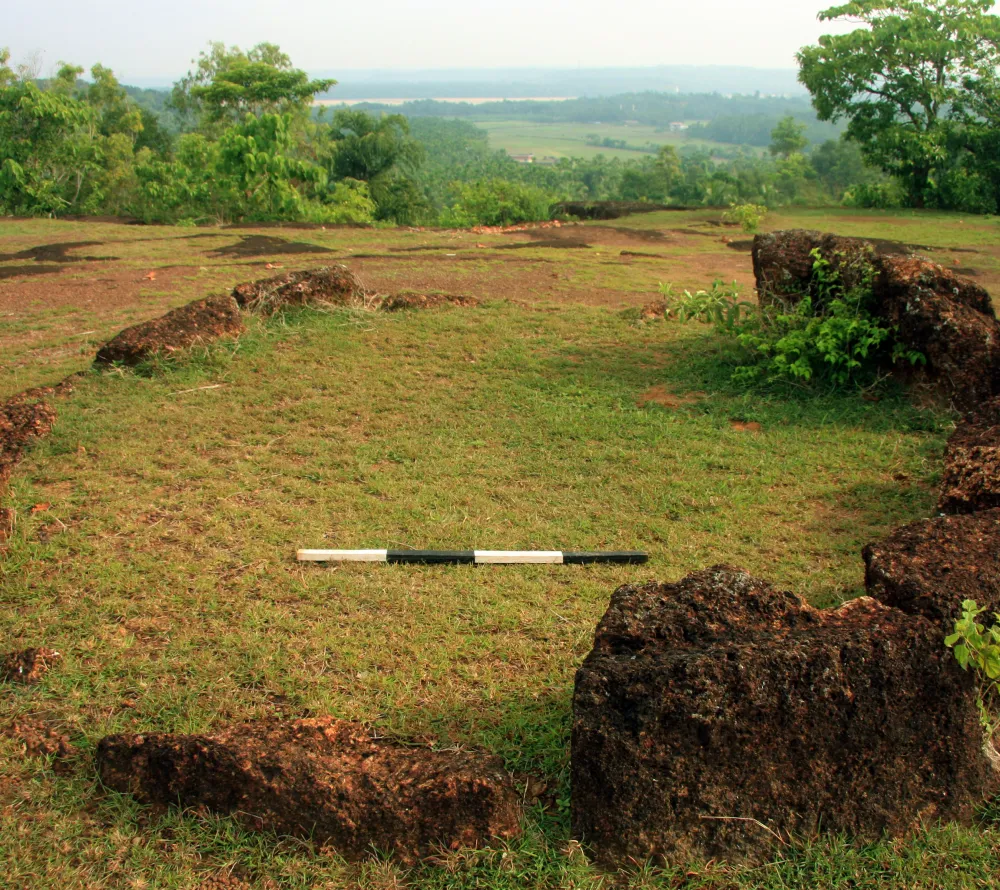
 
“Megalith” encompasses a wide range of burial practices from the Iron Age to the Early Historic period (c. 1000 BCE–500 CE), from imposing stone structures to simple earthen pits. Together, they form a constellation of memory, identity, and belief.
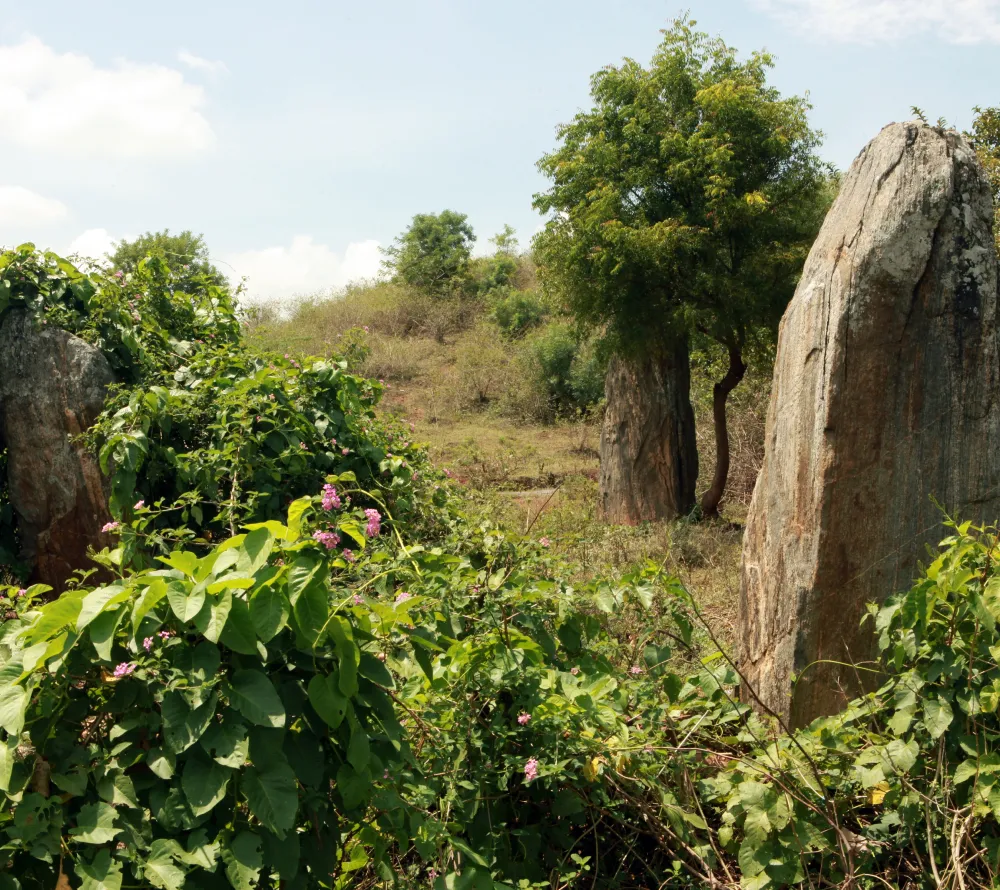
 
In this gallery, you’ll encounter cists, dolmens, menhirs, rock-cut tombs, umbrella stones, and stone circles—some sheltered the remains of ancestors, others raised in commemoration. These monuments reveal how early communities transformed loss into lasting landscapes of memory.
Kara Hotel fort Kochi
Bromo - 80 x 60 cm
Kara Hotel fort Kochi
Caldera - 120 x 90 cm
Kara Hotel fort Kochi
Caldera - 120 x 90 cm
Kara Hotel fort Kochi
Bromo - 80 x 60 cm
Kara Hotel fort Kochi
Caldera - 120 x 90 cm
Kara Hotel fort Kochi
Caldera - 120 x 90 cm
Kara Hotel fort Kochi
Bromo - 80 x 60 cm
Pattanam
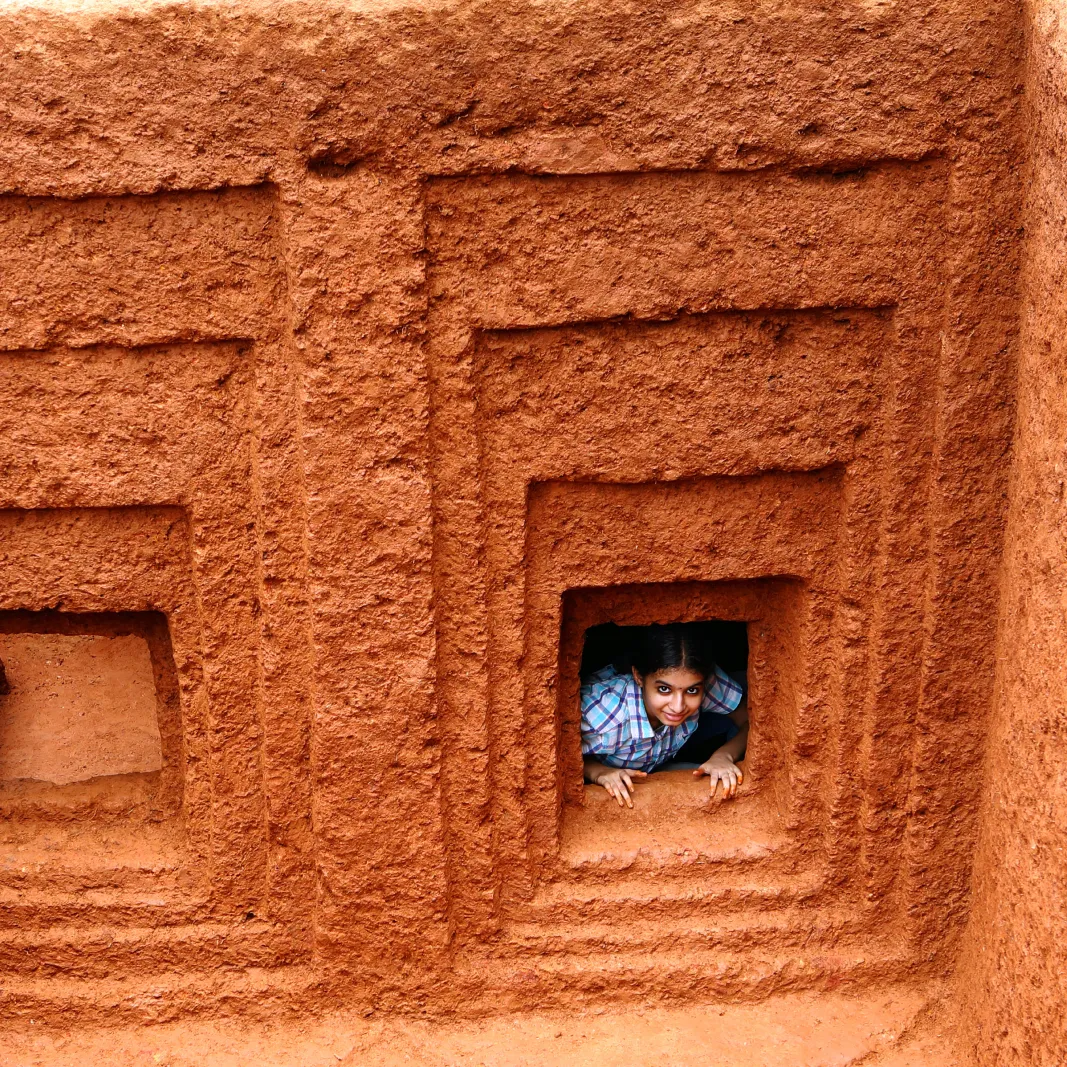
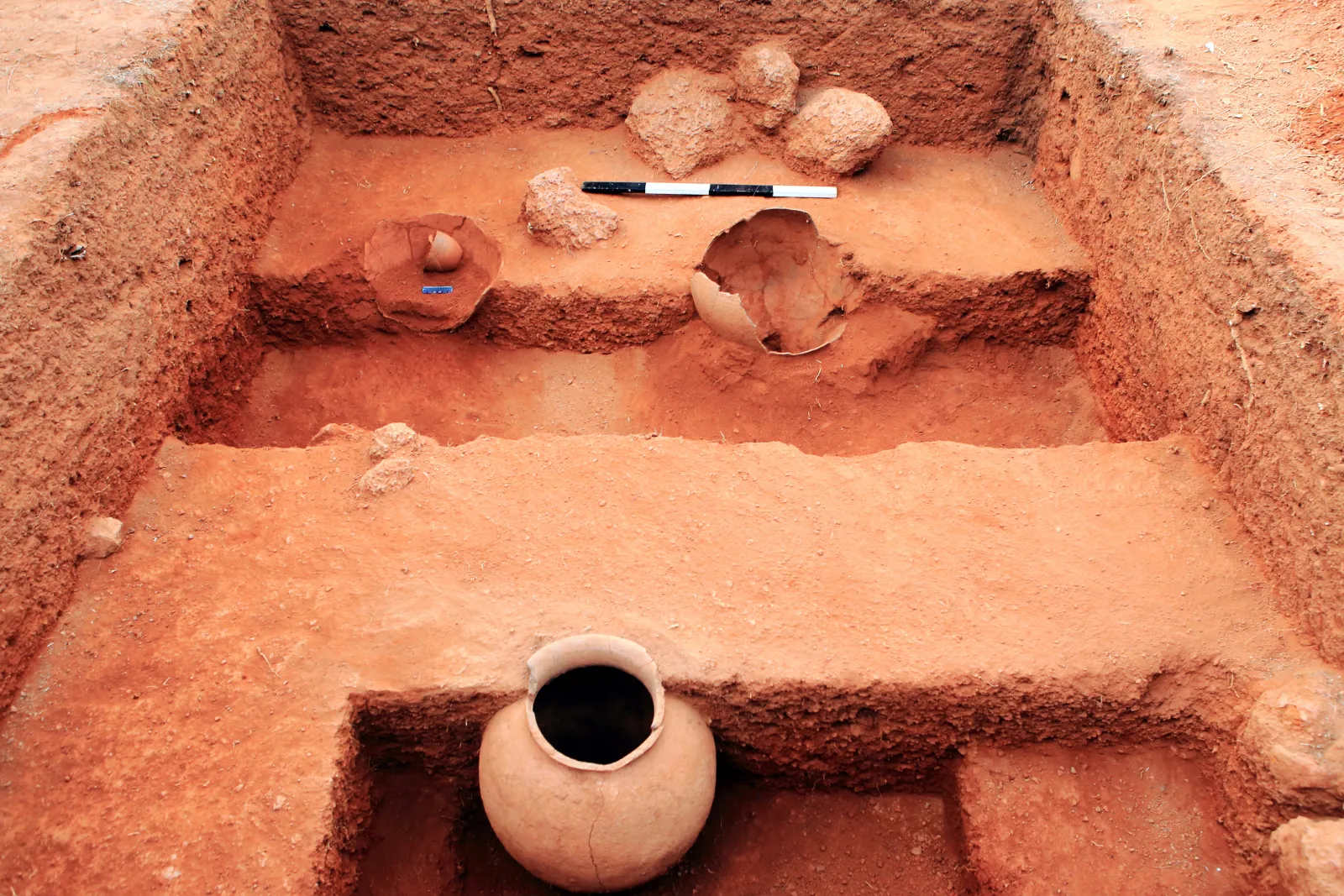
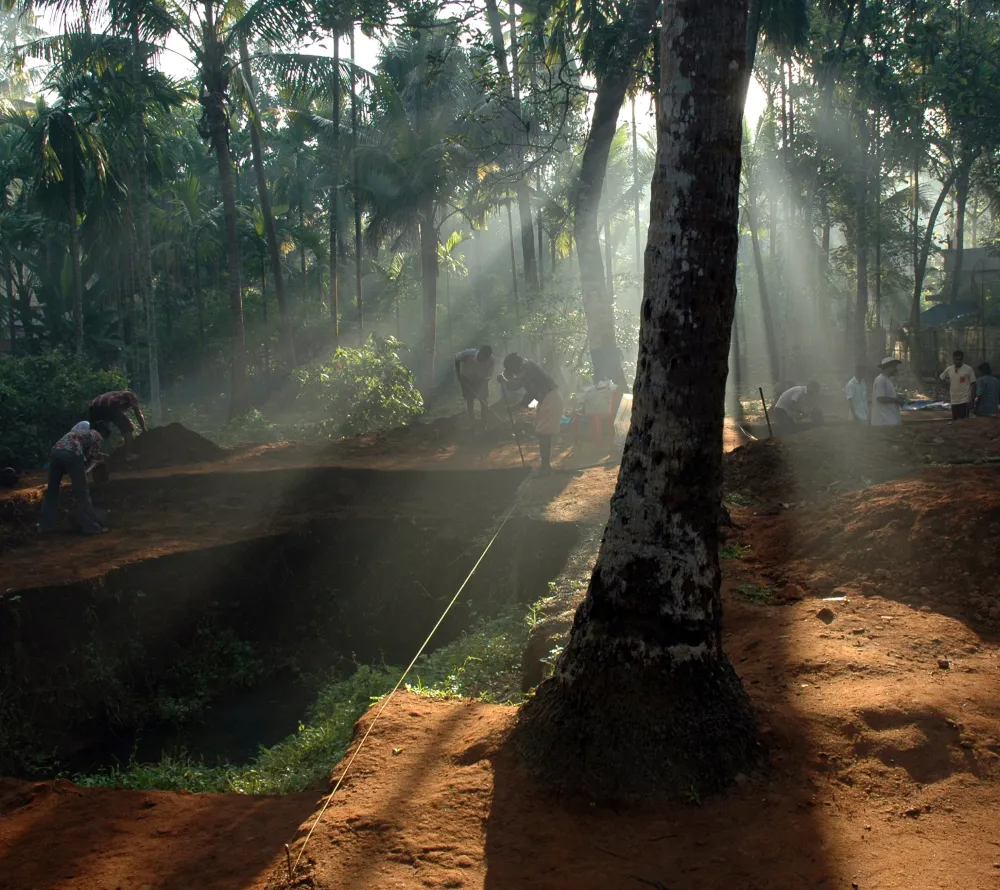
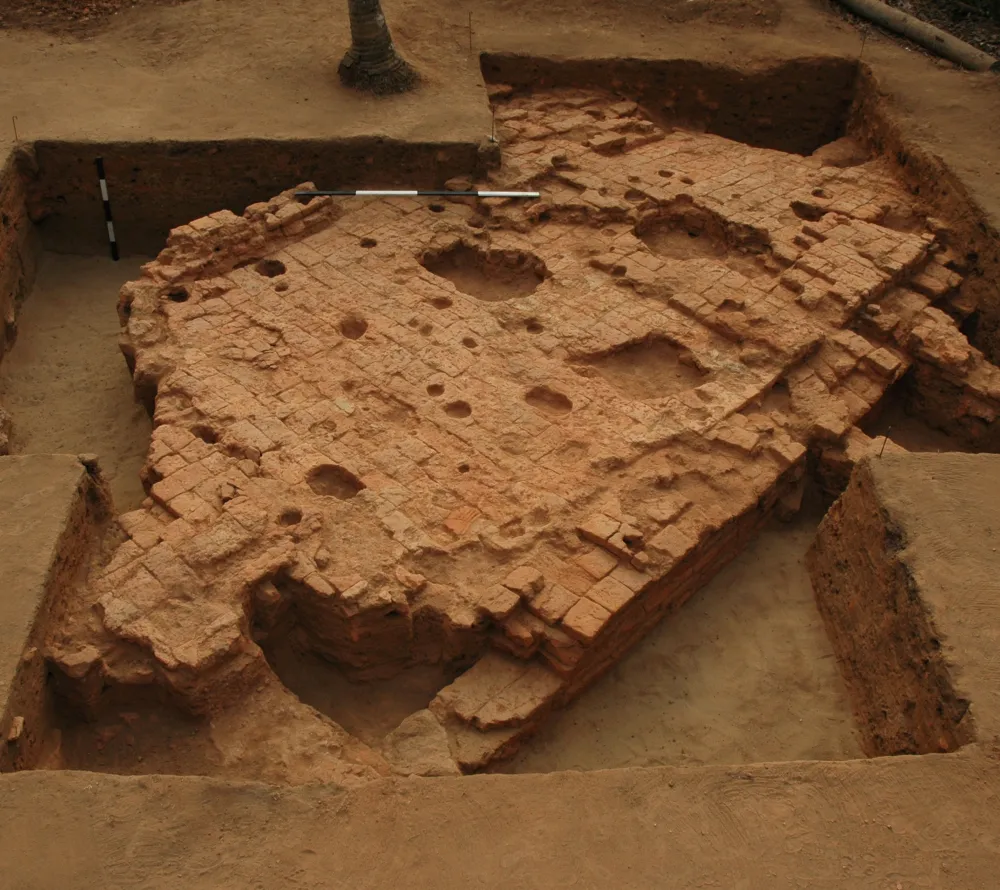
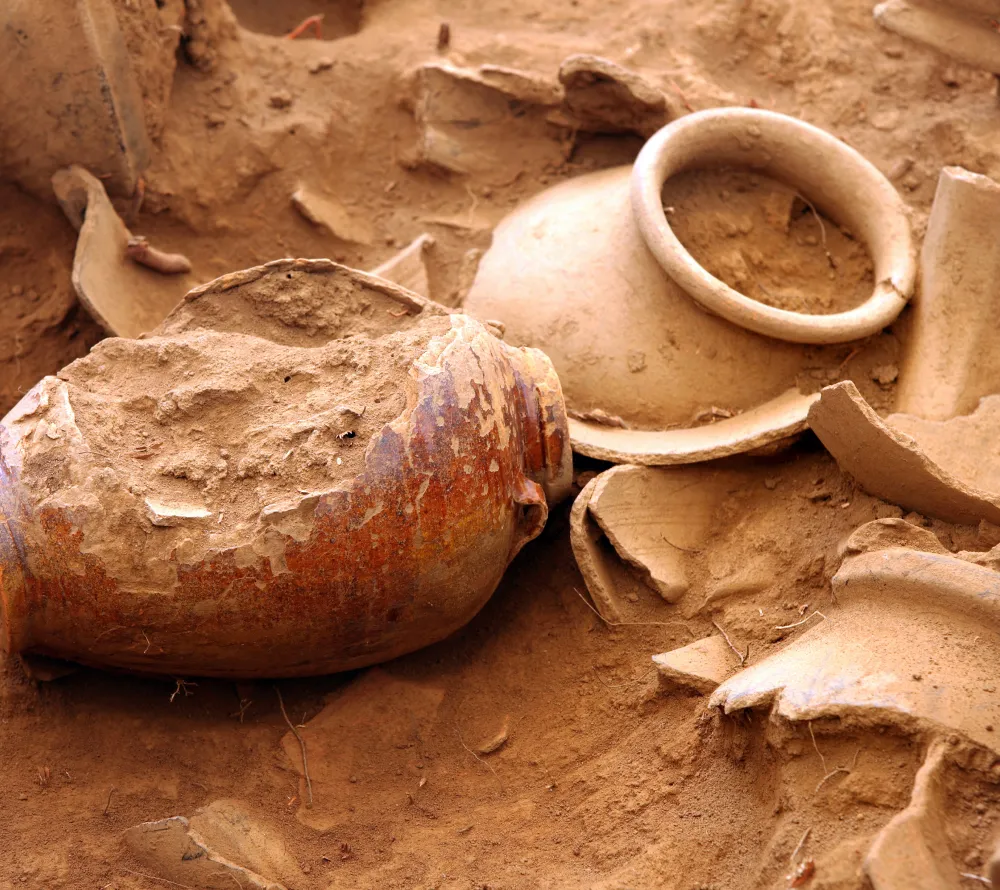
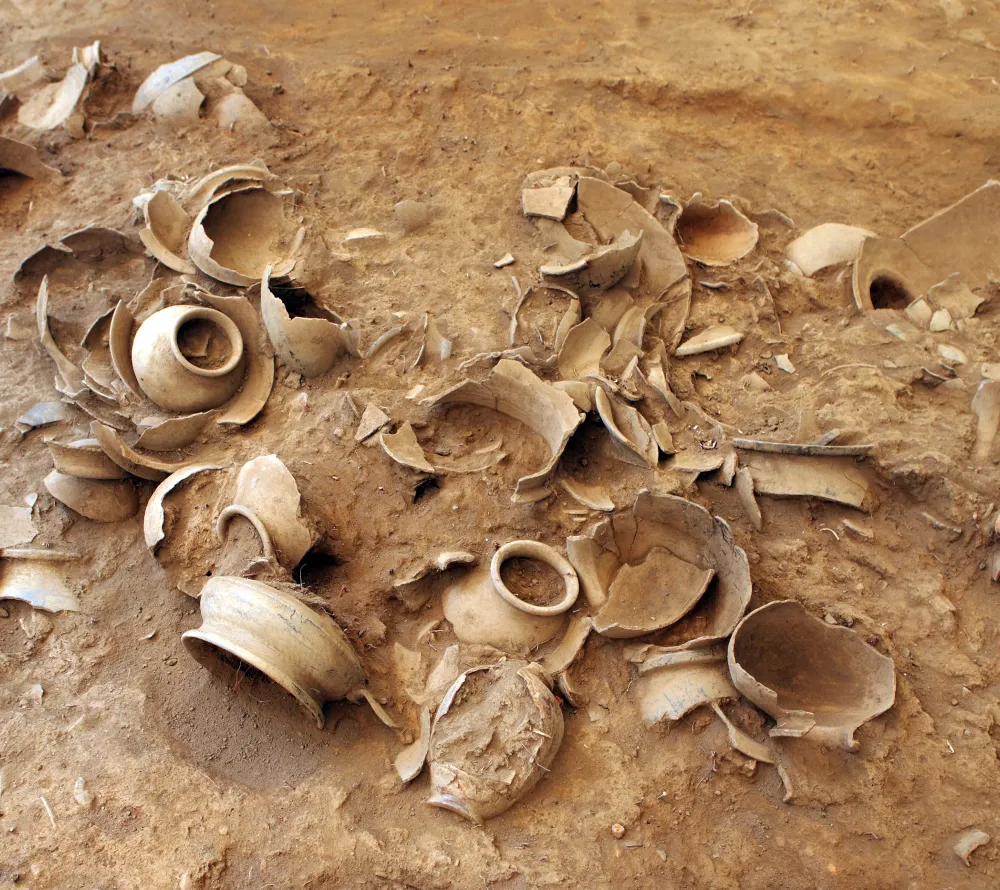
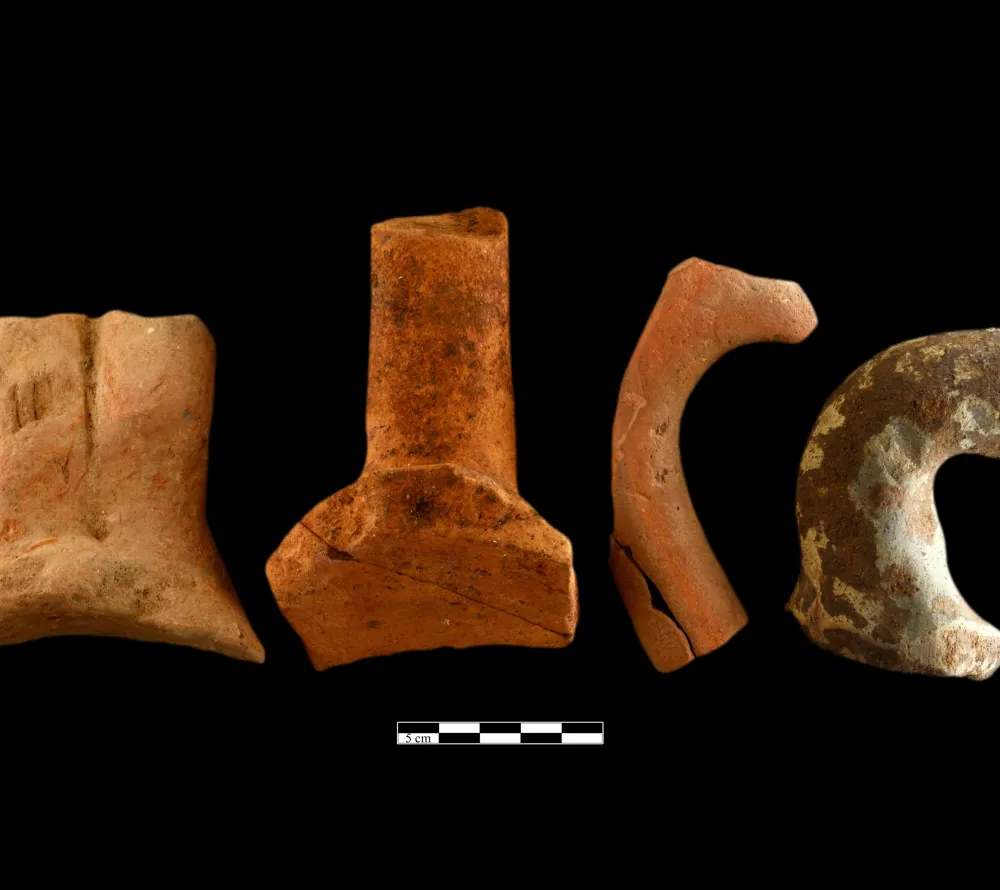
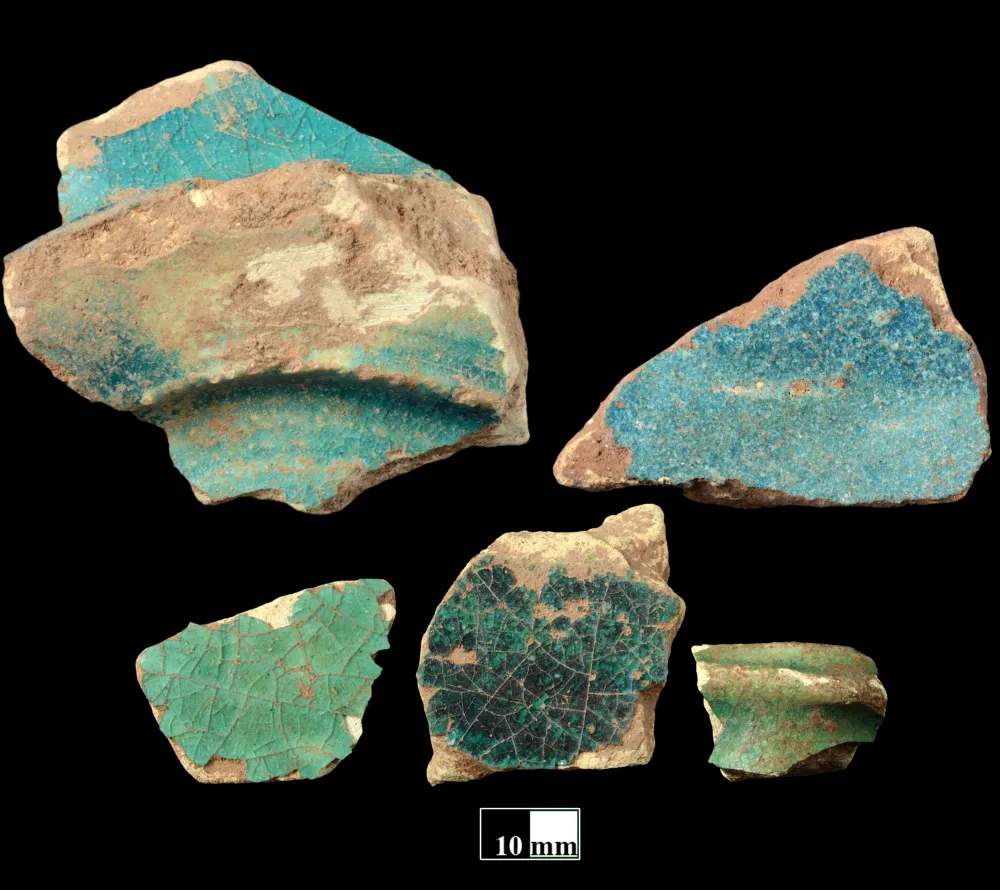
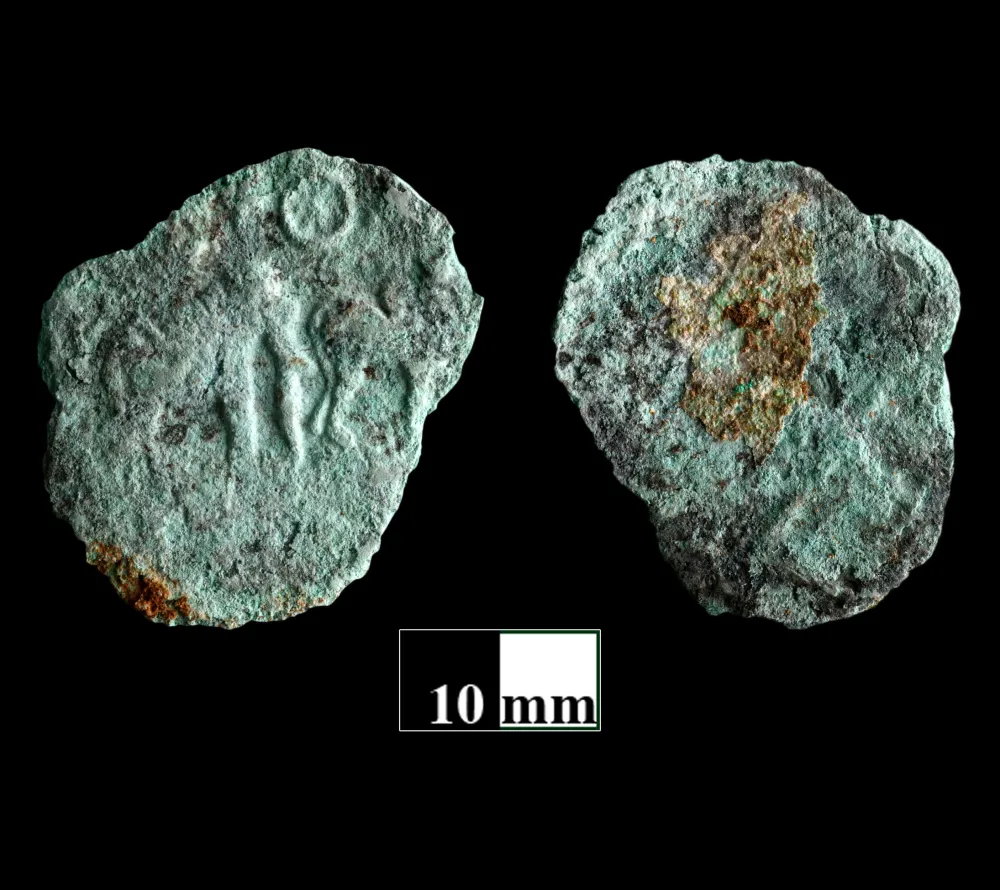
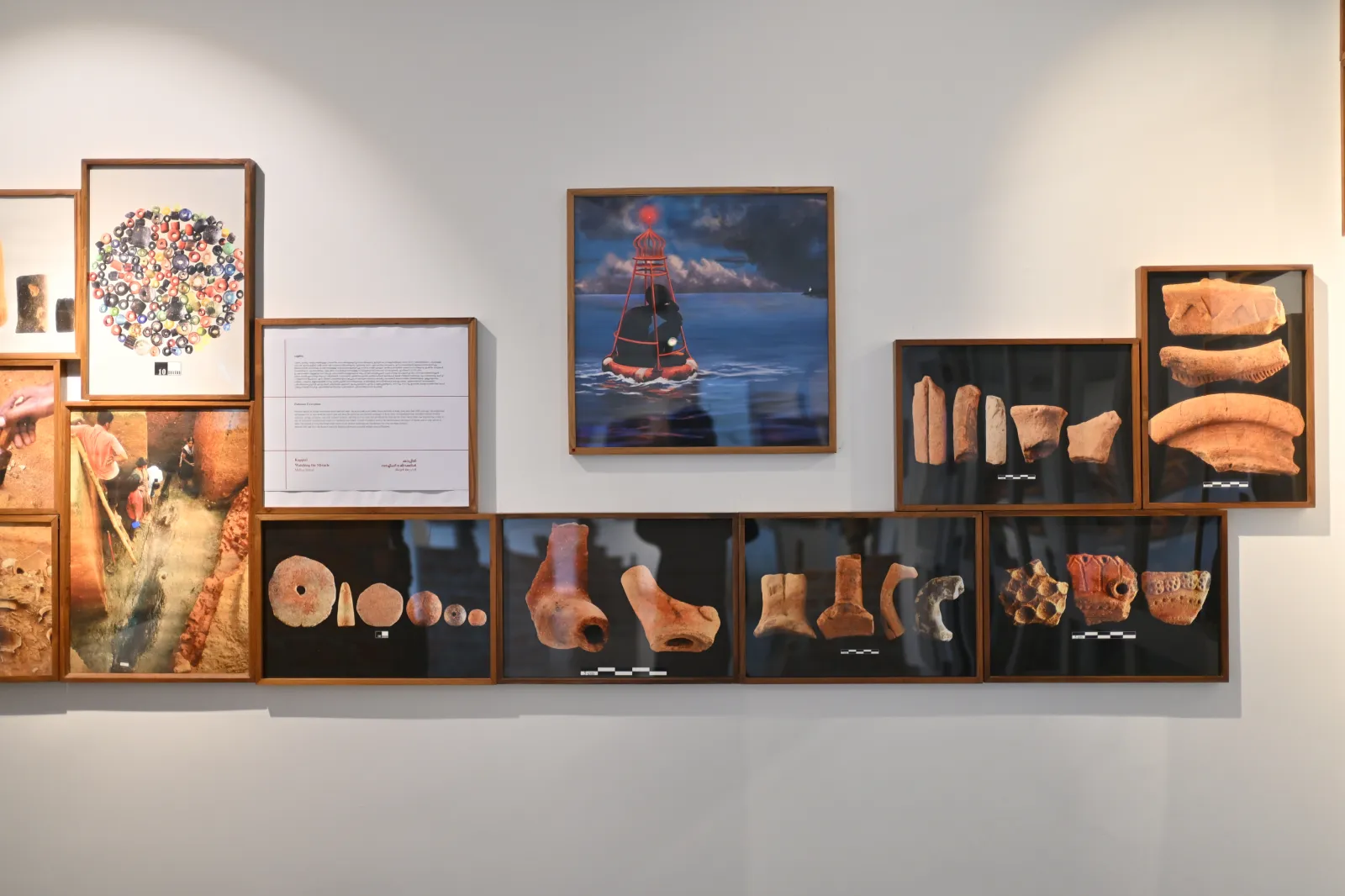
Over 2,000 years ago, Pattanam was a thriving Indian Ocean trade hub that connected Kerala with distant regions by land and sea. Excavations have uncovered structures, transport facilities, and artefacts such as carnelian beads, amphora fragments, and a buried log boat, revealing stories of craftsmanship, maritime exchange, and changing landscapes. Excavations were carried out by the Kerala Council for Historical Research between 2007 and 2015.
Kara Hotel fort Kochi
Anakkara
At Ettukudukka in Kannur, engravings carved into exposed laterite transform a flat-topped hill into a cultural landmark. These geoglyphs depict herds of eastward-moving cattle with pronounced humps and horns, repeating a shared visual language across multiple compositions. Similar carvings along the Konkan Coast suggest continuity in symbolic representation and landscape use by past communities.
Kara Hotel fort Kochi
Riyas Komu
Artistic Director and Curator
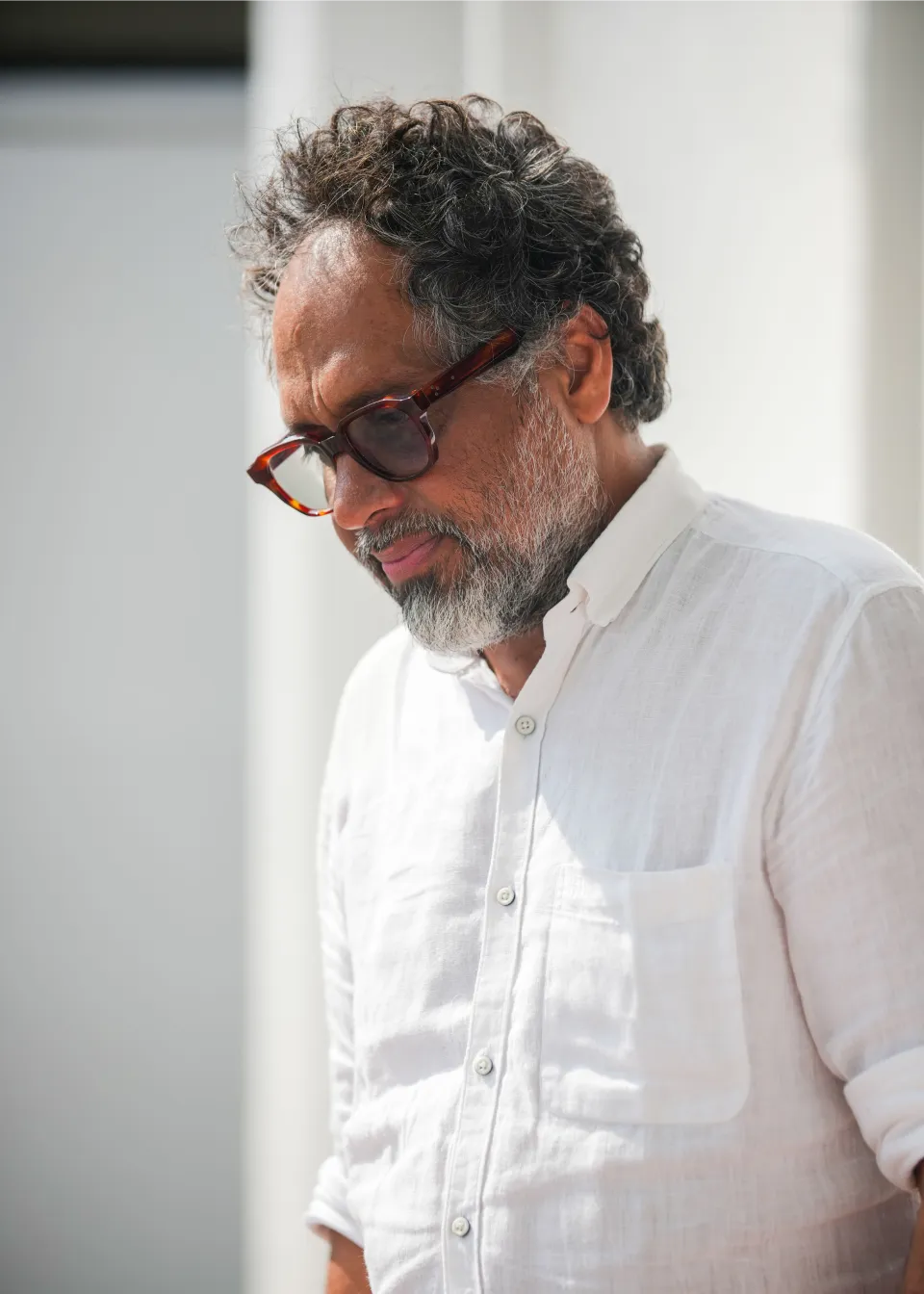
Riyas Komu is an artist and curator who has exhibited his works worldwide, including at the Venice Biennale. His works, comprising paintings, sculptures, videos, photographs, and installations, dwell on a range of subjects, including war, migration, civilisational memories, displacement, violence, betrayal, history, conflict, peace, football, and the Indian Constitution.

Komu is the ideator of the Kochi-Muziris Biennale and co-founder of the Kochi Biennale Foundation. He co-curated the first edition of the Kochi-Muziris Biennale in 2012 and subsequently developed the biennale into a multidisciplinary educational project as the Director of Programmes. He also co-curated the first International Football Film Festival in India at the Goa International Film Festival and the Trivandrum International Film Festival in 2012.

Komu's critically acclaimed solo projects include Faith Accompli (2005), Related List (2008), and Holy Shiver (2018), which celebrated the art in the Constitution. In 2019, Komu curated the Kondotty Sufi Festival. He is the co-founder of URU Art Harbour, a cultural hub in Mattancherry, Kochi, which promotes artists from the region with a focus on local culture and maritime history. In 2022, he co-founded Aazhi Archives with a group of academics and scholars, an initiative that spotlights art, knowledge, and people.
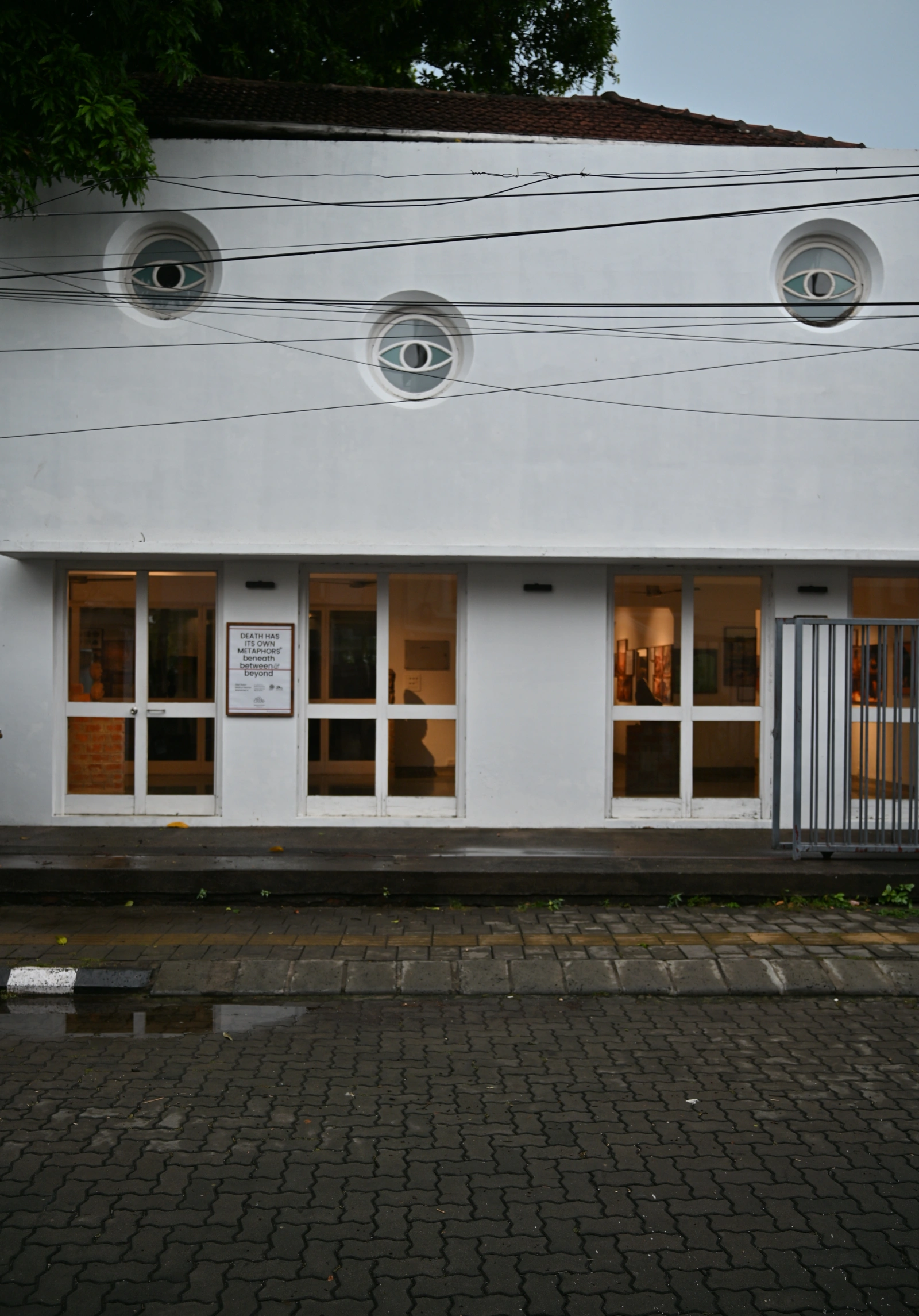
Art at Kara. Art and history are cozy comrades within the walls of Fort Kochi. Step into Kara, our contemporary art gallery that is part colonial, part new - age expressions.

Kara is more than just an art gallery. It is housed within an 8-room hotel that can be best described as an art hotel. The former headquarters of the Dutch East India Company, the art deco heritage wing is filled with iconic work by modern masters. And the modern, minimalist wing where the gallery resides, has artworks by renowned contemporary artists from Kerala.

Connoisseurs of art can begin at the gallery and stroll through the café, common spaces and living areas of Kara to discover their favourites. Each room also comes with a masterpiece.

Come visit our gallery to see and buy art, or stay at our hotel to spend more time with our masterpieces.
For more information on the artworks
Request a price list
Follow us on Instagram
Art at Kara